






Key Takeaways
- Batch processing offers flexibility for different formulations, making it ideal for varied production needs.
- Continuous processing ensures stable production flow, suitable for manufacturers with consistent formulation demands.
- Choosing the right Resin Plant Manufacturer in India requires assessing your specific production requirements and future plans.
- Evaluate both batch and continuous processing based on your operational goals and product quality needs.
- Batch processing offers flexibility for multiple formulations, making it ideal for diverse production needs.
Shree Narayan Engineering Pvt. Ltd. is a leading manufacturer of Resin Plant solutions for industrial resin production. When planning a new production unit, one of the most important decisions is whether batch or continuous processing suits your operation better. Both technologies have different strengths, and the right choice depends on production volume, formulation changes, process control, and the type of resin being manufactured.
Understanding Batch Resin Processing
In batch processing, a measured quantity of raw materials is charged into a reactor and processed through a defined sequence before the finished material is discharged. The next batch starts after the previous cycle is completed.
This approach is widely associated with operations that need flexibility because different formulations can be processed in the same equipment. Batch systems are particularly useful when product varieties, changing recipes, or production in defined lots are important considerations.
For a buyer evaluating a Resin Plant Manufacturer in India, batch technology can be practical when the production schedule involves multiple resin grades rather than one continuous formulation.
Understanding Continuous Resin Processing
Continuous processing works differently. Raw materials move through the production system continuously rather than being charged and discharged as separate batches.
The process is generally more suitable when the same or closely controlled formulation is produced for extended periods. Continuous systems can support consistent production flow and may be attractive when a manufacturer has stable demand and requires high operating efficiency. Chemical-processing guidance also notes that continuous processing can offer advantages in areas such as throughput and operational efficiency, while batch systems retain an important role where product variety and flexibility matter.
A Resin Plant Manufacturer needs to consider the complete production requirement before recommending continuous technology because process stability and consistent raw-material flow are central to its operation.
Batch vs Continuous Processing: Key Differences
The simplest way to compare both technologies is to look at the factors that directly affect daily plant operation.
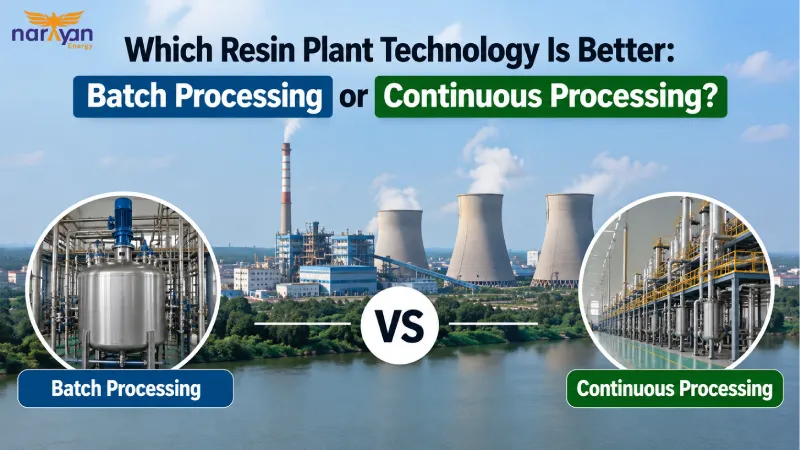
| Criteria | Batch Processing | Continuous Processing |
|---|---|---|
| Production method | Defined lots or batches | Continuous material flow |
| Product flexibility | High flexibility for formulation changes | Better suited to stable formulations |
| Production pattern | Start, process, discharge, repeat | Continuous operation |
| Process control | Controlled for each batch | Continuous monitoring and control |
| Best fit | Multiple products or changing recipes | Consistent, sustained production |
| Operational focus | Flexibility and batch control | Flow stability and productivity |
The comparison shows why there is no universal winner. The better technology is the one that matches your production pattern rather than simply the one with more automation or higher throughput.
When Should You Choose Batch Processing?
Batch processing can be a strong choice when flexibility is one of the main production priorities. It allows manufacturers to plan separate production cycles and adjust the formulation from one batch to another according to product requirements.
Consider batch processing when your operation involves:
- Multiple resin grades or formulations
- Frequent formulation changes
- Production in defined lots
- Different processing requirements for different products
- A need for greater recipe-level control
For businesses beginning or expanding resin production, a batch Resin Plant Manufacturer in India may recommend this approach where production flexibility is more important than uninterrupted flow.
Batch operation also gives manufacturers a clear production cycle. Raw materials are charged, processing takes place under controlled conditions, and the finished resin is discharged before the next cycle begins. This makes the production sequence easier to organize around changing orders.
When Should You Choose Continuous Processing?
Continuous processing becomes more attractive when production demand is stable and the same process needs to run for longer periods.
It may be appropriate when your priorities include:
- Consistent production flow
- Higher sustained production requirements
- Reduced interruptions between production cycles
- Stable formulation and raw-material supply
- Greater emphasis on continuous process control
Continuous processing can reduce the repeated startup and shutdown pattern associated with batch production. However, that advantage only makes sense when the process is suitable for continuous operation and the production schedule supports it.
A Resin Plant Manufacturer should therefore assess the formulation, process conditions, production target, and operating pattern before selecting this technology.
What About Product Quality and Process Control?
Quality depends on much more than choosing batch or continuous technology. Reactor design, mixing, heating, cooling, material handling, process control, and operating conditions all influence the final resin.
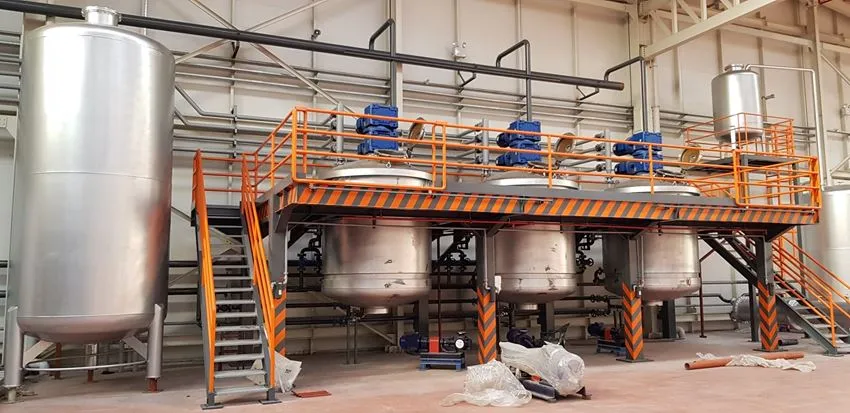
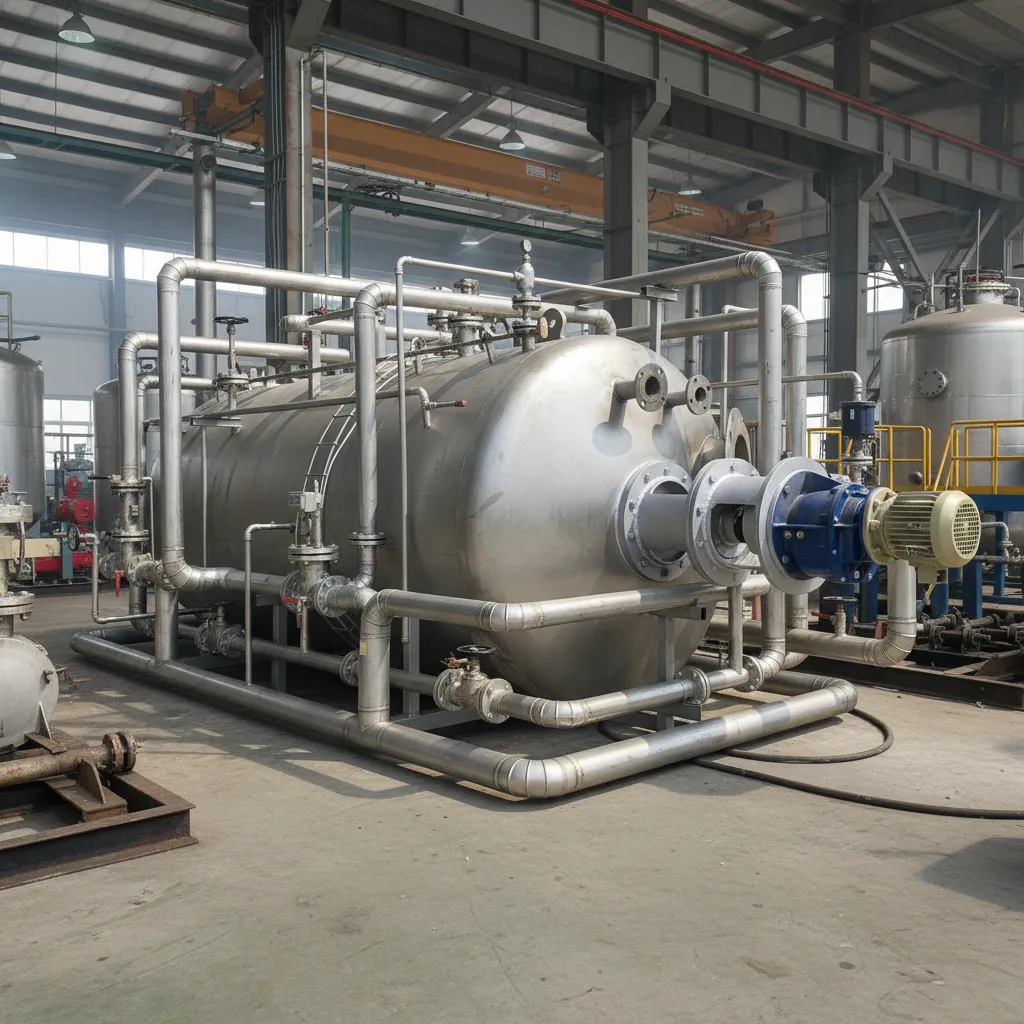
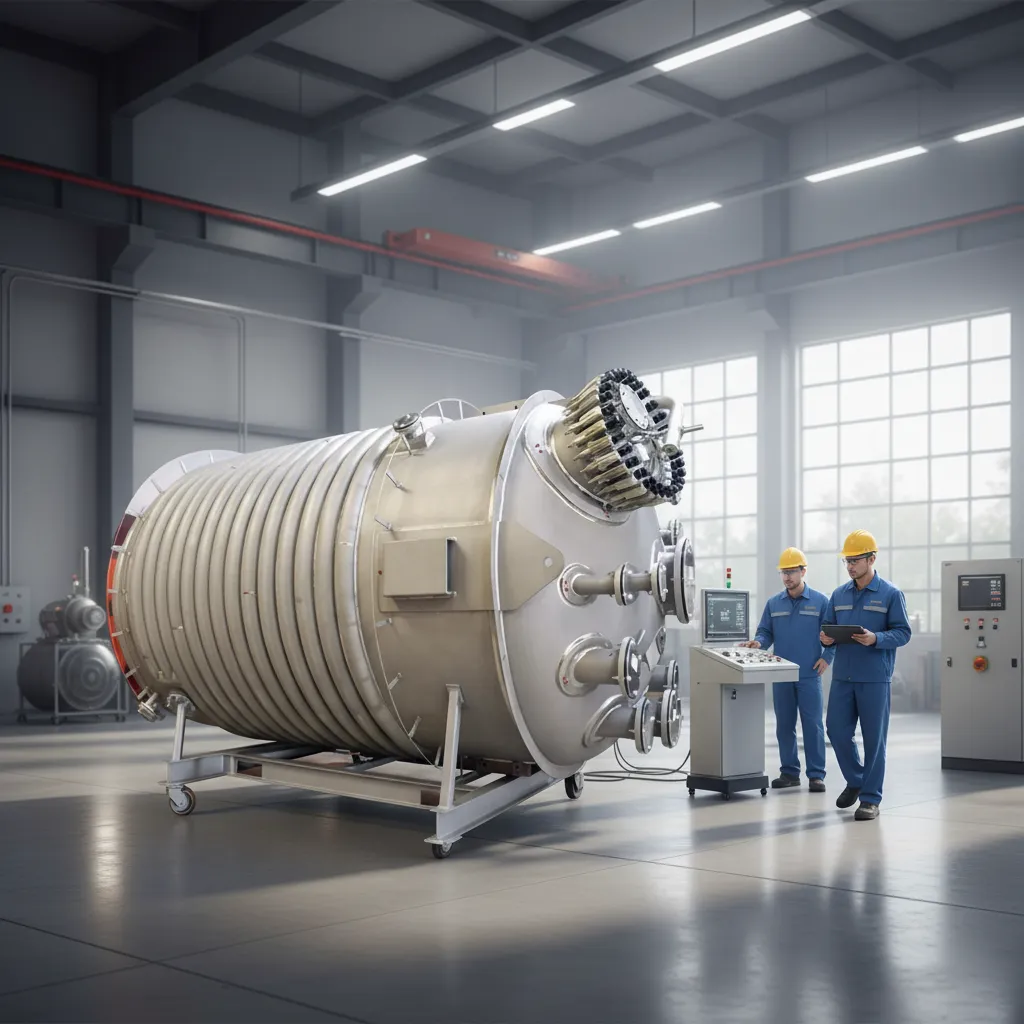
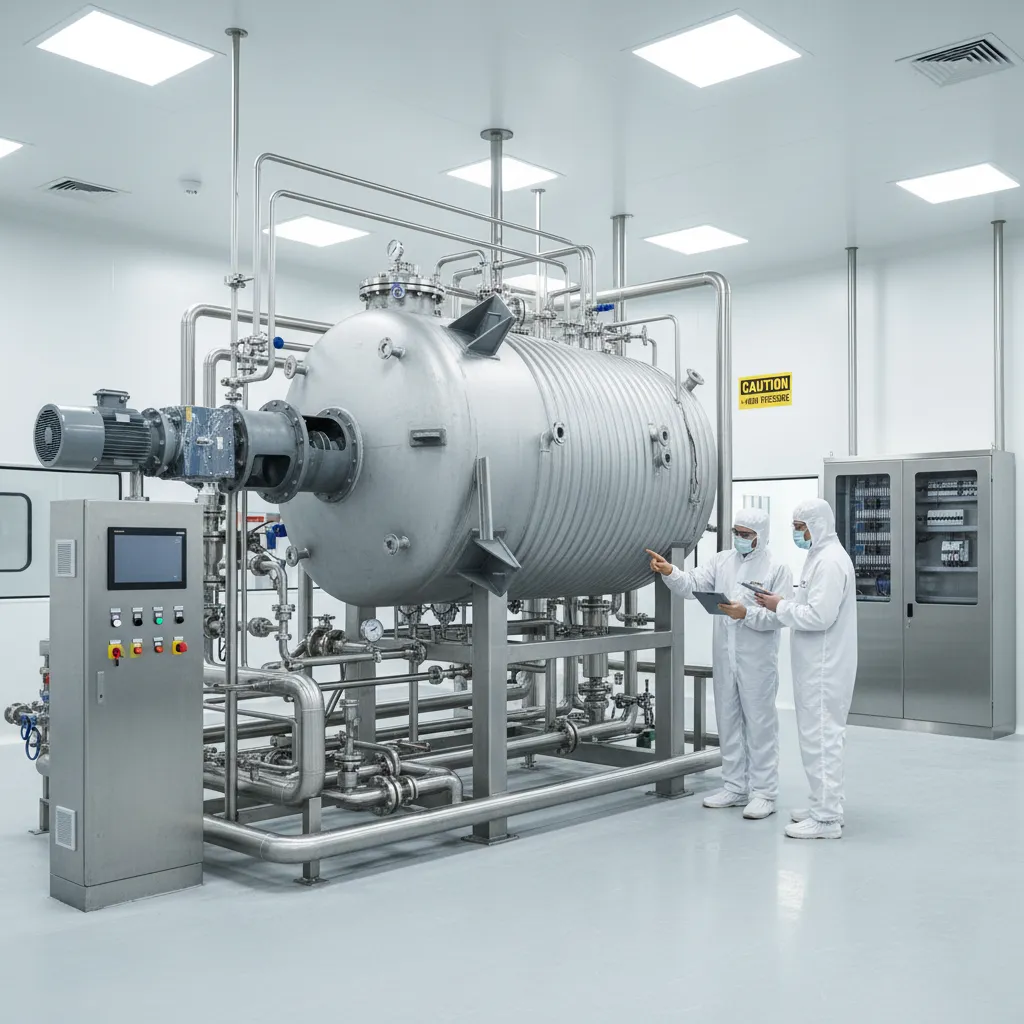
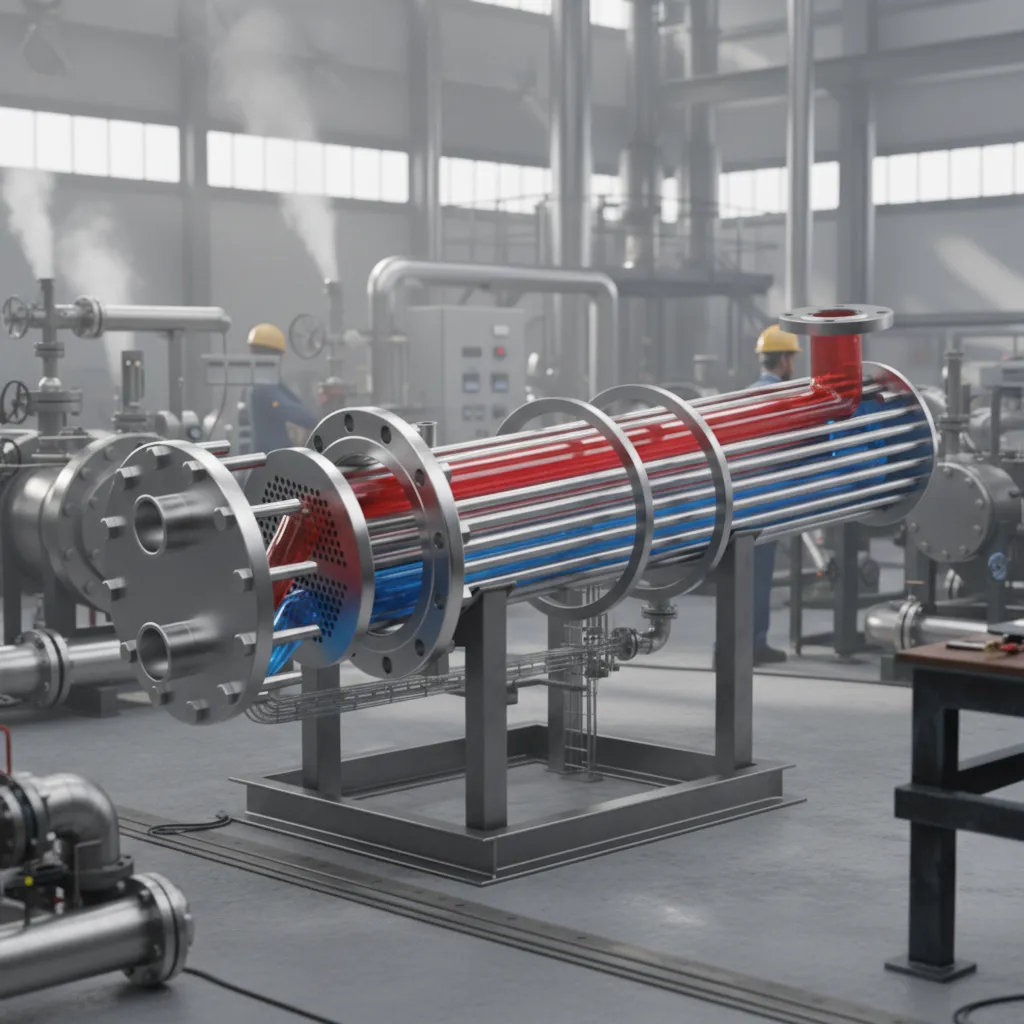
Modern industrial resin systems can incorporate automated monitoring and control systems. The equipment supplied by Shree Narayan Engineering Pvt. Ltd. includes process stages such as raw-material feeding, mixing and heating, polymerization, cooling, filtration, quality control, and storage. Its resin systems are designed for both batch and continuous operation.
The technology should be selected around the required process conditions and product specifications, not on processing mode alone.
What Should B2B Buyers Check Before Selecting a Technology?
Before approaching a Resin Plant Manufacturer in India, buyers should define the operating requirements clearly. This makes the technology selection more practical and reduces the risk of choosing a system that does not match the intended production model.
- Identify the resin types and formulations to be manufactured.
- Determine whether production will involve frequent recipe changes.
- Assess whether demand is stable enough for continuous operation.
- Define the required production pattern and operating schedule.
- Review the desired level of automation and process monitoring.
- Confirm the reactor, heating, cooling, agitation, and material-of-construction requirements.
- Discuss future production changes before finalizing the plant configuration.
A detailed requirement assessment is particularly important because resin plants can be configured around different processes and production needs. The current product information from Shree Narayan Engineering Pvt. Ltd. lists jacketed or stirred tank reactors, PLC/SCADA-based controls, and customizable plant configurations.
So, Which Technology Is Better?
There is no single answer for every manufacturer. Batch processing is generally the more suitable direction when flexibility, formulation changes, and multiple product grades are central to the business.
Continuous processing can be the better fit when production is stable, the formulation is consistent, and uninterrupted operation is a major requirement.
For this reason, selecting a Resin Plant Manufacturer should involve more than comparing equipment specifications. The supplier should understand the resin formulation, production workflow, process requirements, and future operating plans before recommending a configuration.
Why Choose Us
Shree Narayan Engineering Pvt. Ltd. provides resin production solutions designed around specific industrial requirements. Our resin systems support batch as well as continuous operation and can be configured with controlled mixing, heating, reaction, cooling, filtration, storage, and automation systems. We focus on practical plant engineering so B2B buyers can select equipment that aligns with their formulation, production pattern, and operational requirements.
Conclusion
Choosing between batch and continuous resin processing is ultimately a process-planning decision. Batch technology offers greater flexibility for manufacturers handling different formulations or changing production requirements, while continuous technology can be more appropriate for stable, sustained production. Neither approach is automatically better for every application. The right choice depends on resin chemistry, production pattern, process control needs, and long-term operational goals. A capable Resin Plant Manufacturer in India can evaluate these factors and help you select a plant configuration that fits your actual manufacturing requirements.
Frequently Asked Questions
Common questions about choosing between batch and continuous resin processing.
Planning a new resin production unit or upgrading an existing process? Speak with Shree Narayan Engineering Pvt. Ltd. for a resin plant solution matched to your production requirements.