



Key Takeaways
- Lifetime cost is critical; consider maintenance and durability over initial purchase price.
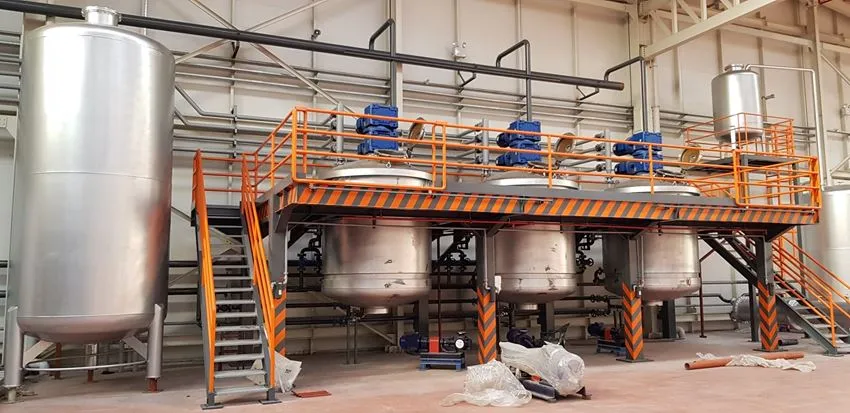
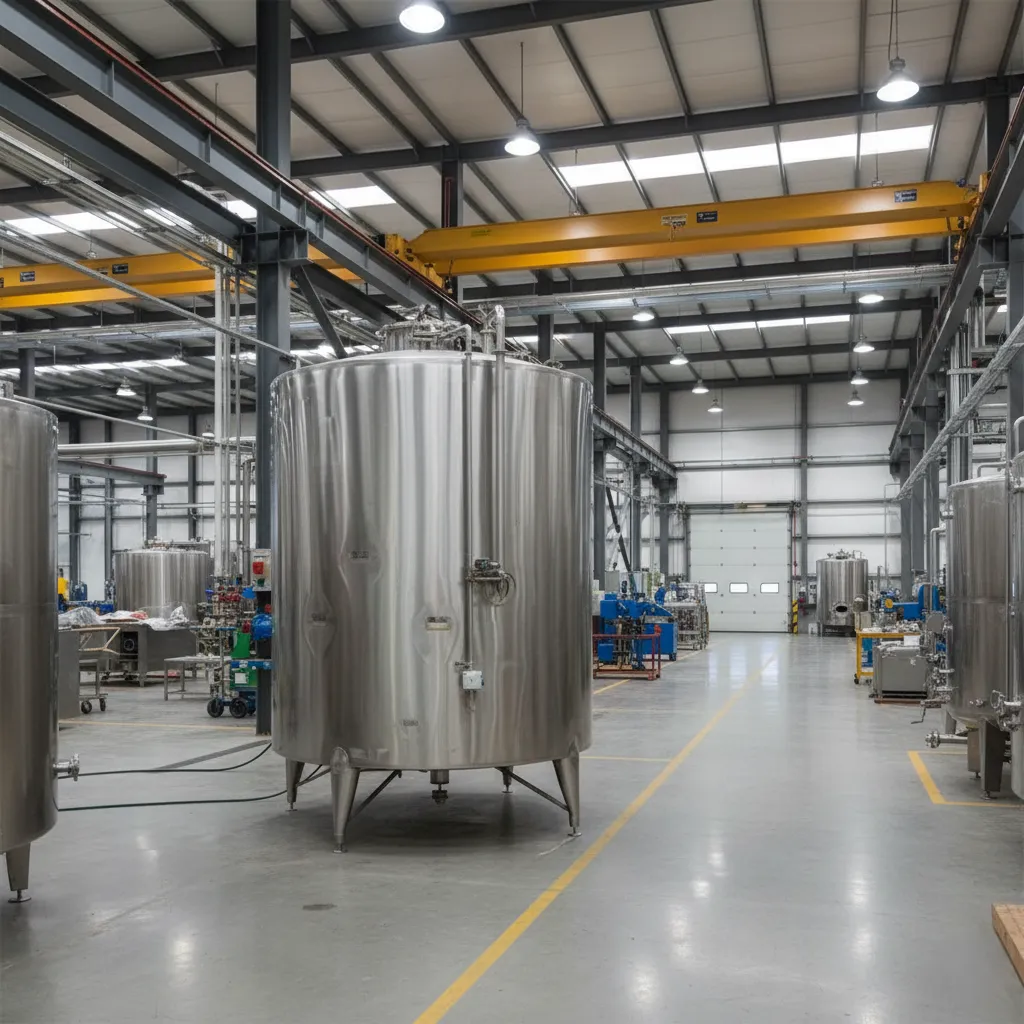
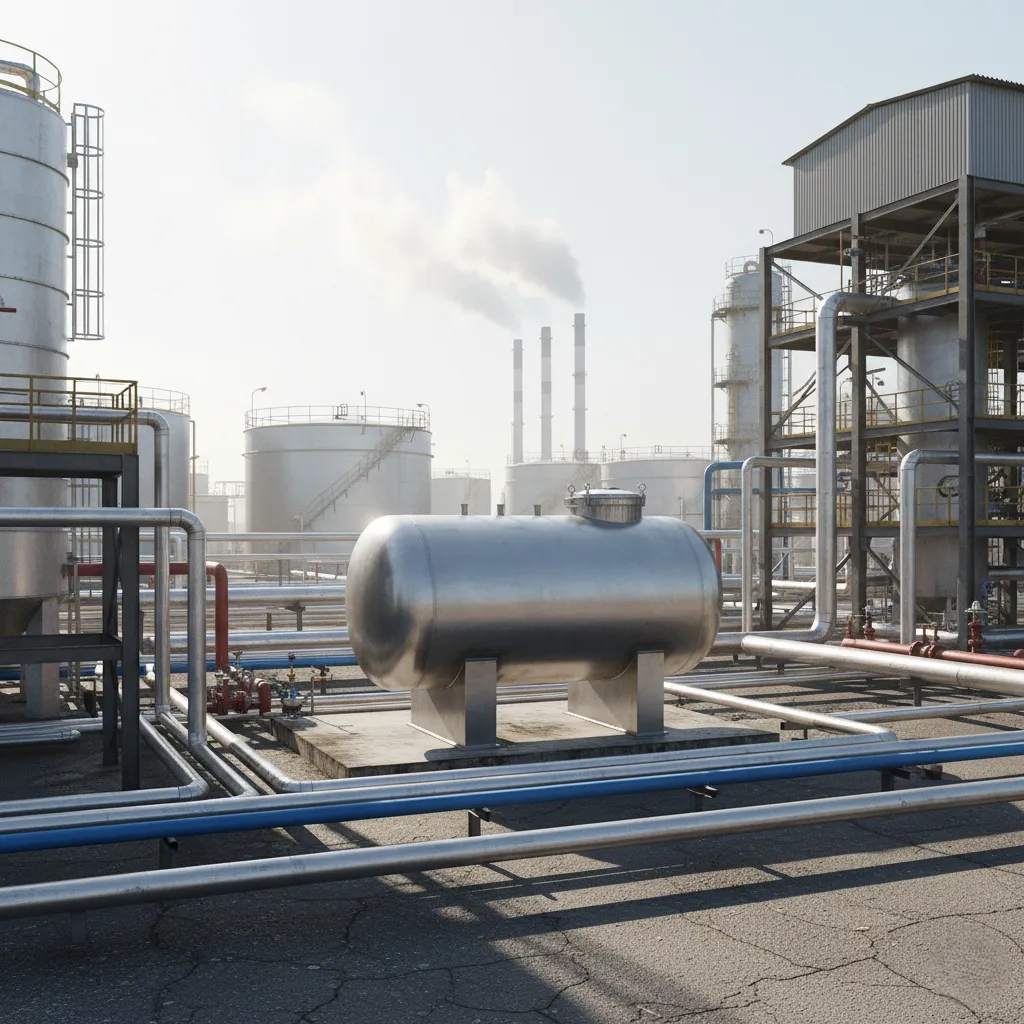
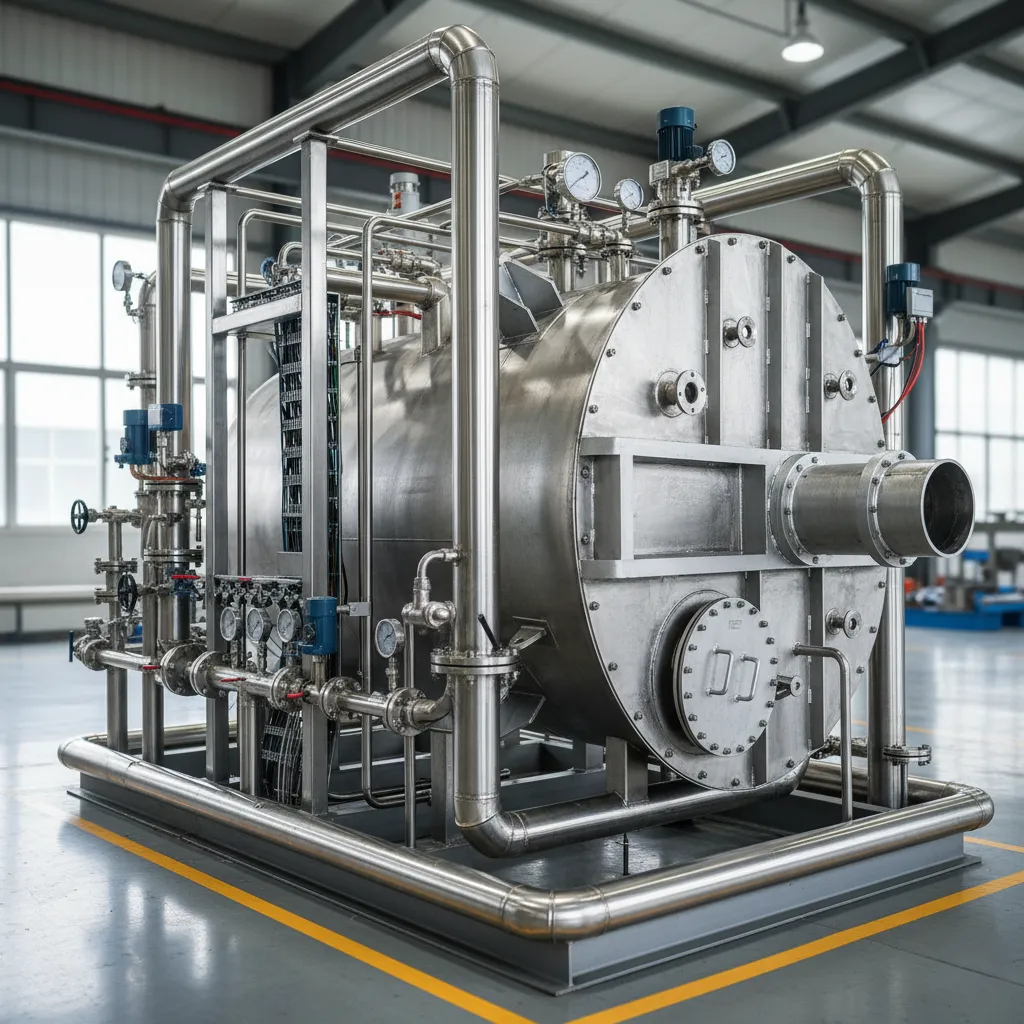
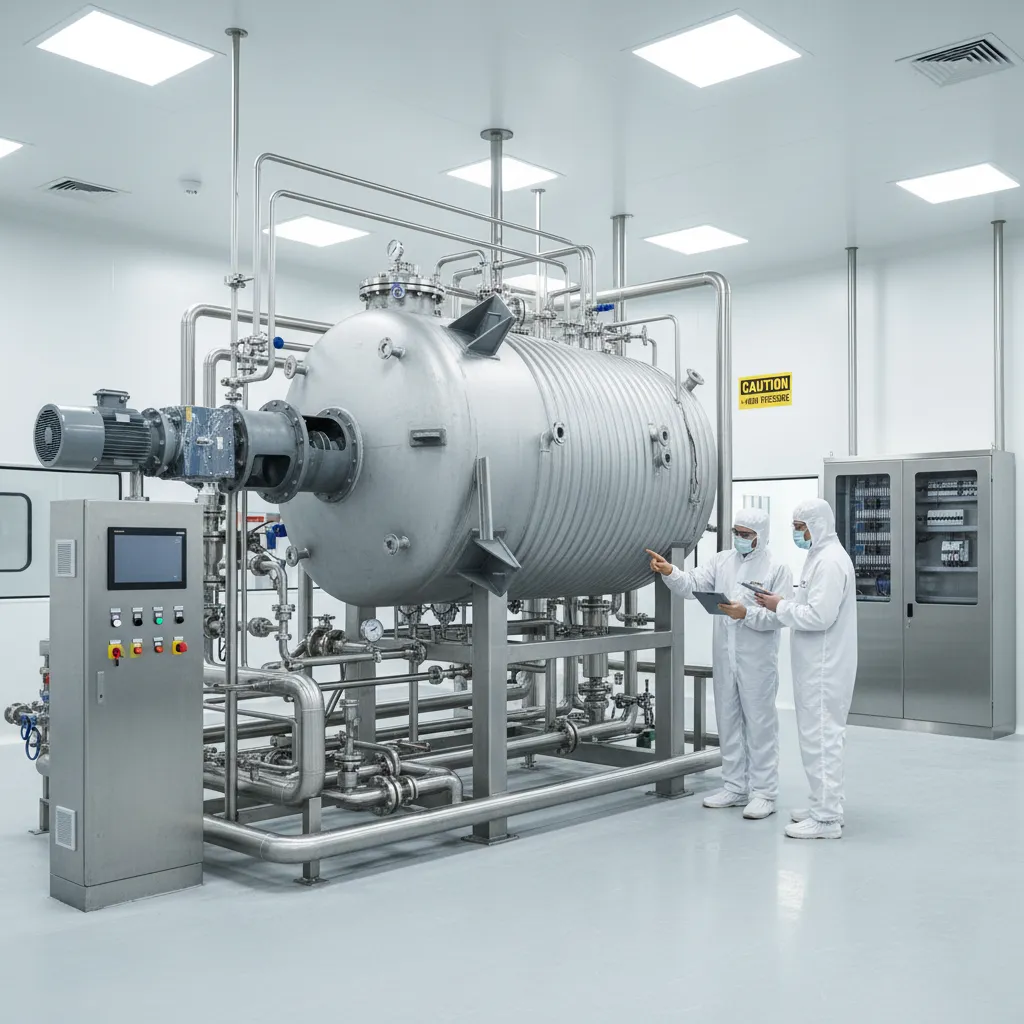
- A Stainless Steel Chemical Reactor provides superior mechanical strength and thermal performance for many applications.
- Glass-lined reactors excel in corrosion resistance but require careful handling and maintenance to avoid damage.
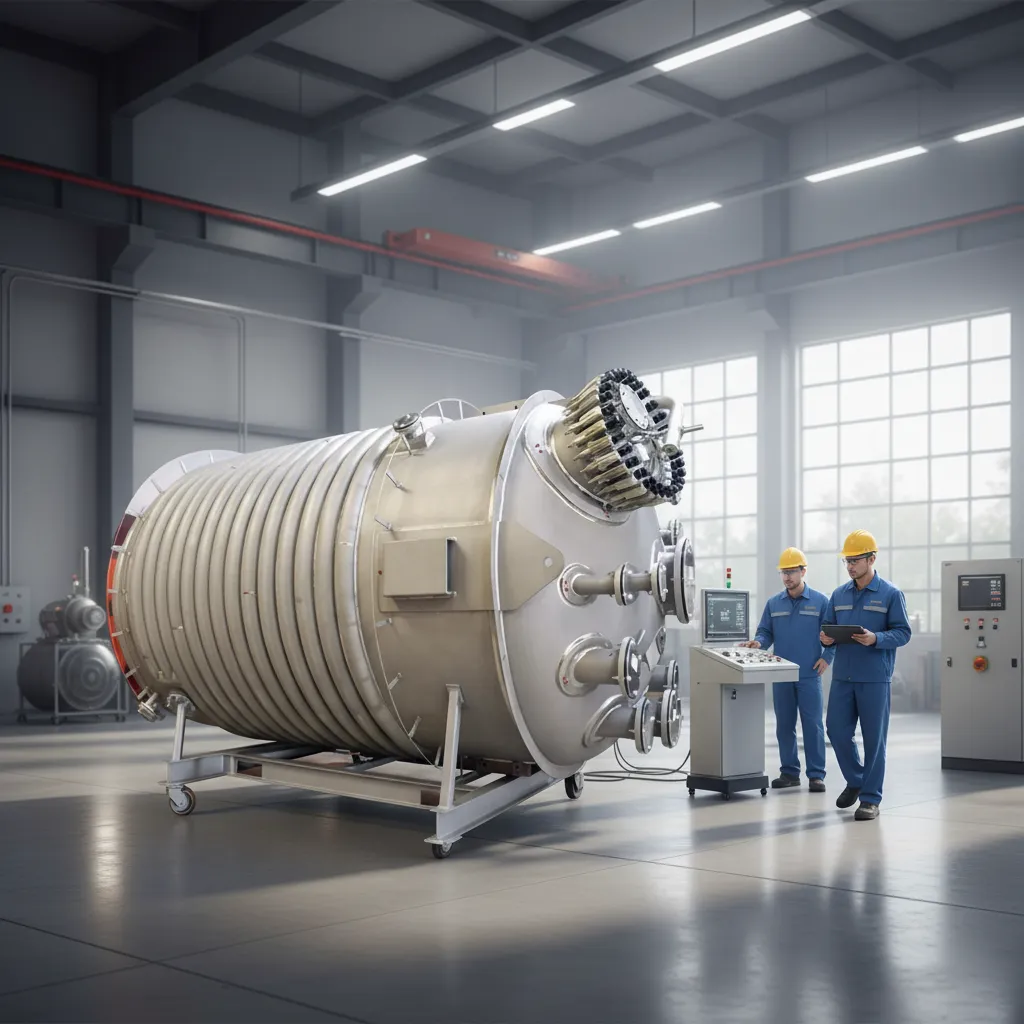
- Selecting the right reactor depends on thorough evaluation of process chemistry, temperature, and cleaning needs.
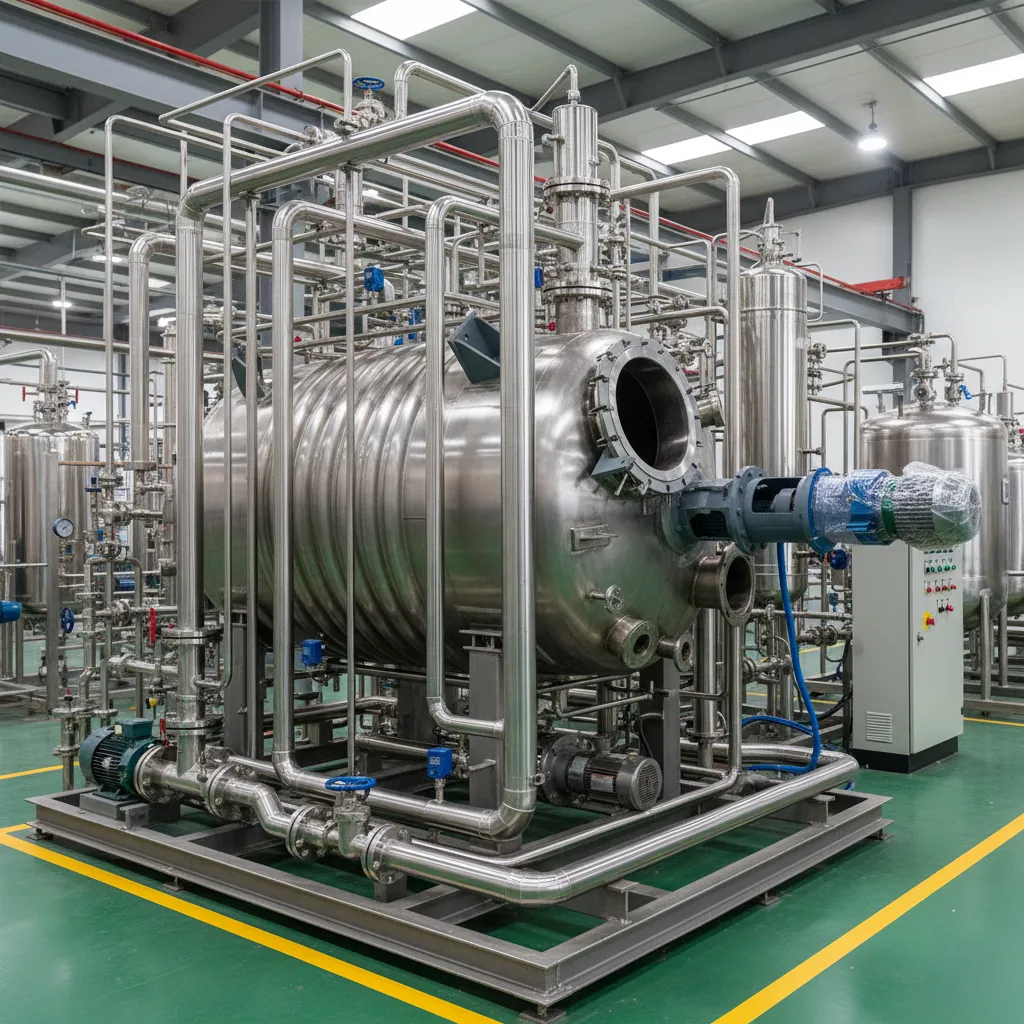
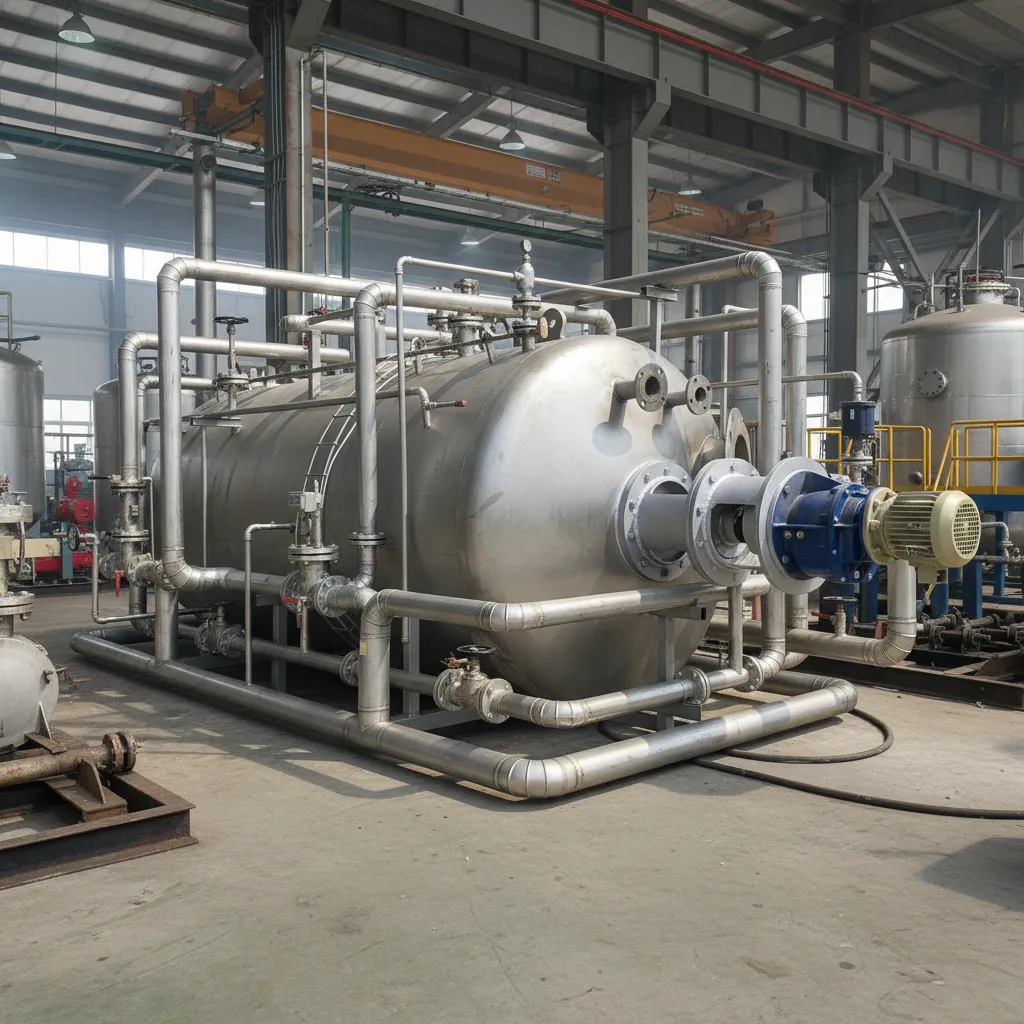
- Stainless Steel Chemical Reactors offer superior mechanical durability and thermal performance for industrial applications.
Shree Narayan Engineering Pvt. Ltd. is a leading manufacturer of chemical processing equipment. Choosing between stainless steel and glass-lined construction is not simply about the initial equipment decision. For B2B buyers, the more important question is which reactor can deliver dependable performance with manageable maintenance over years of operation. A Stainless Steel Chemical Reactor can be a strong choice where mechanical durability and thermal performance matter, while glass-lined construction can be preferable for specific corrosive chemistries.
Why Lifetime Cost Matters More Than Initial Selection
When evaluating a reactor, buyers should look beyond the purchase decision and consider the complete operating life. Maintenance requirements, corrosion risks, repair possibilities, cleaning practices, downtime and compatibility with the process chemistry can all influence the overall ownership burden.
A Stainless Steel Chemical Reactor Manufacturer in india should therefore assess the process before recommending construction. The correct material depends on the chemicals involved, temperature, pressure, agitation requirements and cleaning conditions rather than on one material being universally better.
Stainless Steel vs Glass-Lined Reactor: Key Differences
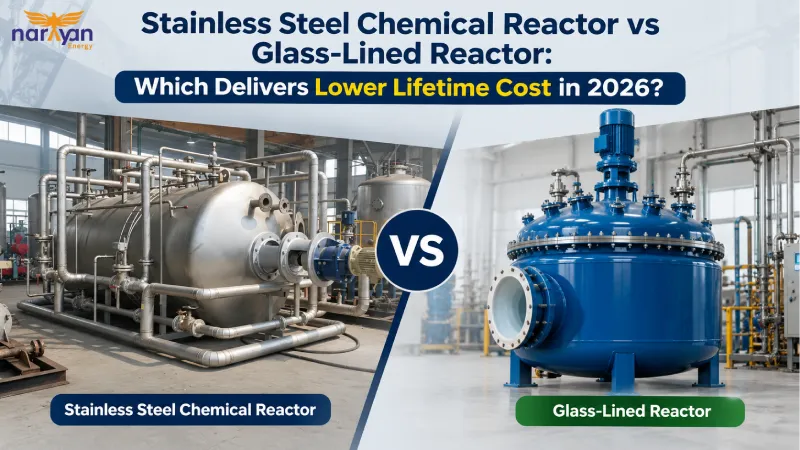
Both reactor types have a place in industrial processing, but they behave differently under operating conditions. Stainless steel offers mechanical strength and can be fabricated, modified and repaired using established metalworking methods. Glass-lined reactors provide a glass contact surface that can offer high resistance to many corrosive chemicals, but the lining requires careful handling because mechanical impact and thermal shock can damage it.
| Comparison Factor | Stainless Steel Reactor | Glass-Lined Reactor |
|---|---|---|
| Mechanical durability | Strong metallic construction and good impact tolerance | Glass surface is more sensitive to impact |
| Corrosion performance | Depends strongly on grade and process chemistry | Strong resistance for many chemical services |
| Thermal performance | Higher thermal conductivity than glass | Glass lining can limit heat-transfer performance |
| Repair approach | Metal surfaces can generally be repaired or modified | Lining damage may require specialised repair |
| Process suitability | Broad range of industrial applications when metallurgy is suitable | Useful where corrosion resistance and an inert contact surface are priorities |
How Chemical Compatibility Affects Lifetime Cost
Material compatibility is one of the first points our team considers. Stainless steel is not automatically suitable for every chemical environment. Chlorides, strong acids, temperature and concentration can influence corrosion behaviour, so material selection should be based on the actual process conditions.
Glass lining also has limitations. Certain aggressive chemicals and unsuitable operating conditions can attack or damage the glass surface. Therefore, buyers should compare the complete chemical environment rather than assuming that a glass-lined reactor is automatically the safer long-term option.
A Stainless Steel Chemical Reactor Manufacturer can help buyers evaluate the process requirements and select an appropriate stainless-steel grade where the chemistry permits. This approach can reduce the risk of selecting equipment that later requires extensive corrective work.
Maintenance and Repair Considerations
Maintenance has a direct effect on plant productivity. Stainless steel surfaces can be inspected for issues such as pitting, crevice corrosion and other forms of material degradation. Metallic construction can also make welding, polishing and certain field modifications more practical.
Glass-lined equipment needs a different maintenance approach. The lining must be protected from mechanical impact and thermal shock, and inspection can include checks for lining defects. Damage exposing the underlying steel can become a serious concern because it may allow corrosion beneath the protective layer.
For many buyers, the lower lifetime-cost option is the reactor that best matches the process and avoids avoidable maintenance interruptions, not necessarily the vessel with the lowest initial specification.
Heat Transfer and Operating Conditions
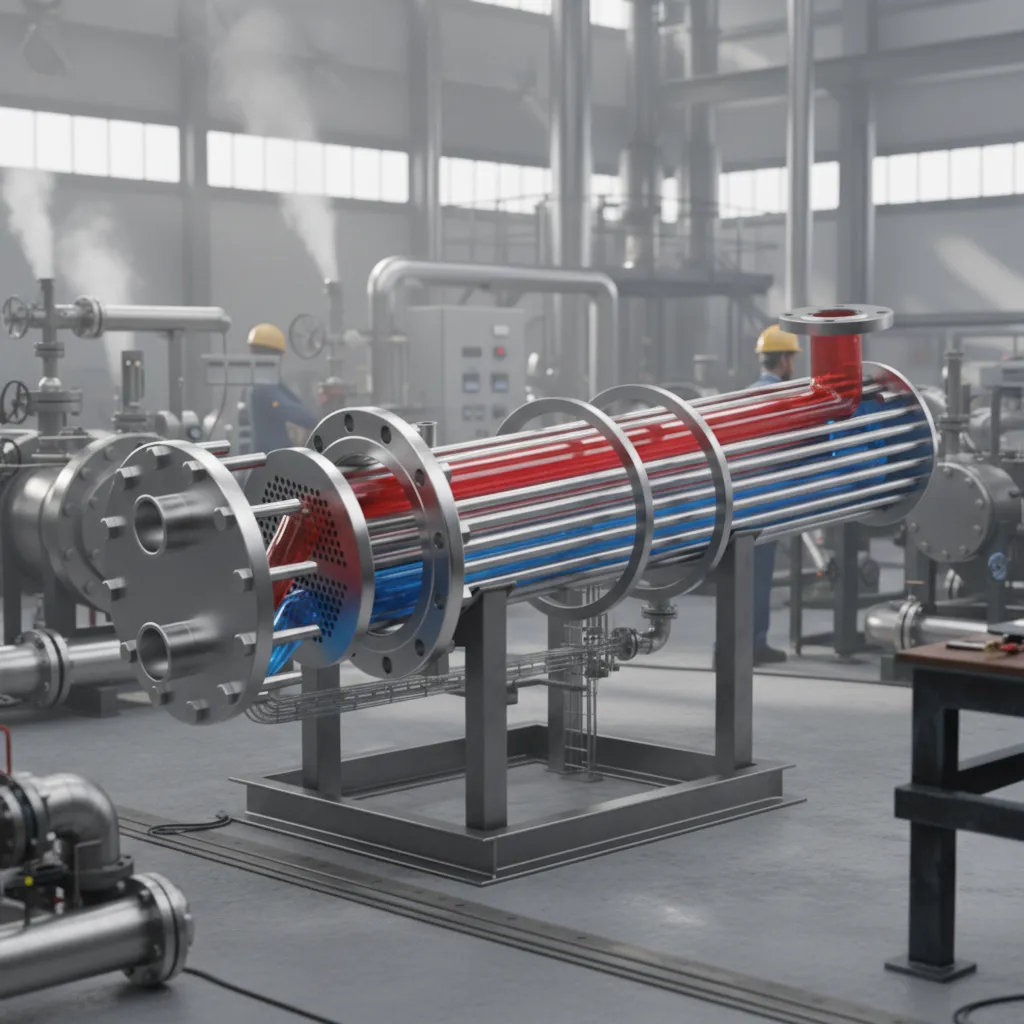
Heat transfer is another important factor when comparing reactor materials. Stainless steel has substantially higher thermal conductivity than borosilicate glass, which can support more effective heat transfer through the vessel wall. Glass-lined reactors have a glass barrier between the process and steel shell, so heat-transfer requirements need careful consideration during equipment selection.
Temperature cycling also matters. Glass-lined construction can be vulnerable to thermal shock, meaning rapid temperature changes must be managed according to the equipment's design limitations. Stainless steel generally provides greater tolerance to thermal cycling and mechanical stresses.
A Stainless Steel Chemical Reactor may therefore be attractive for processes involving repeated heating and cooling cycles, provided the selected stainless-steel material remains compatible with the reaction chemistry.
Which Reactor Can Deliver Lower Lifetime Cost?
There is no universal winner because lifecycle cost depends on the process. However, the following selection approach can help B2B buyers narrow the decision:
- Review the chemical composition first. Identify acids, alkalis, chlorides, solvents and other aggressive components.
- Check operating temperatures and pressure. Consider normal conditions as well as heating, cooling and pressure cycles.
- Evaluate cleaning requirements. Frequent or demanding cleaning can influence the suitability of the reactor surface.
- Assess maintenance and downtime. Consider inspection, repair and the operational impact of equipment damage.
- Match the material to the complete process. Select the reactor based on engineering compatibility instead of relying on material preference alone.
A Stainless Steel Chemical Reactor Manufacturer in india can use these factors to develop a reactor suited to the intended application. Material testing or corrosion evaluation may also be appropriate when the chemistry is complex or uncertain.
When Stainless Steel Can Be the Better Choice
Stainless steel can be an effective option where the process requires mechanical durability, repeated thermal cycling, custom fabrication or easier modification. Stainless construction is also suitable for many neutral, alkaline and organic processing environments when the selected grade is compatible with the application.
For buyers planning long-term production, a Stainless Steel Chemical Reactor Manufacturer can help balance material selection with process requirements, vessel design and maintenance expectations.
When Glass-Lined Construction May Make More Sense
Glass lined reactors continue to be relevant in scenarios where there is a need for very high corrosion resistance and relative inactivity of the reactor’s contact surface.
On the other hand, buyers need to consider the vulnerability of the lining against mechanical shocks and thermal damage. A reactor that is very compatible with chemicals can still cause maintenance issues if it is not operated with glass-lined equipment.
Why Choose Us
Our company is Shree Narayan Engineering Pvt. Ltd., where we concentrate on creating the most appropriate reactors according to their application. Being Stainless Steel Chemical Reactor Manufacturers, we believe that the choice of materials should be made depending on the process chemistry and other conditions. Our aim is to create appropriate industrial equipment for our clients' processes, while paying attention to performance, reliability and maintainability. If you are looking for the best stainless steel reactors, you may contact us to discuss your needs.
Conclusion
Selecting between stainless steel and glass-lined material in 2026 must be started by assessing the compatibility with the process and not merely by the type of equipment. A Stainless Steel Chemical Reactor has its own merits in terms of mechanical toughness, heat transfer and modifications. Glass-lined construction, on the other hand, may very well suit some corrosive chemical applications. The economically sensible choice would be the one that is compatible with the total operating environment without any maintenance issues or problems with corrosion. Shree Narayan Engineering Pvt. Ltd. can assist purchasers in determining stainless steel reactor needs.
Frequently Asked Questions
Common questions about choosing between stainless steel and glass-lined chemical reactors.
Looking for a suitable Stainless Steel Chemical Reactor Manufacturer in india for your industrial application? Connect with Shree Narayan Engineering Pvt. Ltd. to discuss your reactor requirements and get guidance for the right equipment configuration.