



Key Takeaways
- The Gujarat CBG Policy transforms organic waste into profitable bioenergy, bolstering green energy initiatives in India.
- Entrepreneurs can access up to 75% subsidy on institutional CBG plants under the Gujarat CBG Policy.
- Commercial Bio-CBG projects can secure up to ₹25 Crore in capital support, enhancing project feasibility.
- A ₹2/unit power tariff subsidy for five years boosts operational economics for new CBG plants.
- The Gujarat CBG Policy promotes a circular economy by turning waste into biogas and valuable organic manure.
The Gujarat CBG Policy is one of the strongest bioenergy frameworks in the country right now. If you are an entrepreneur, a dairy cooperative, a sugar mill, a municipal body, or an investor scanning the renewable energy space, this policy deserves a proper read. It turns cow dung, crop residue and food waste into a business case that actually adds up.
What Is CBG and Why the Sudden Push?
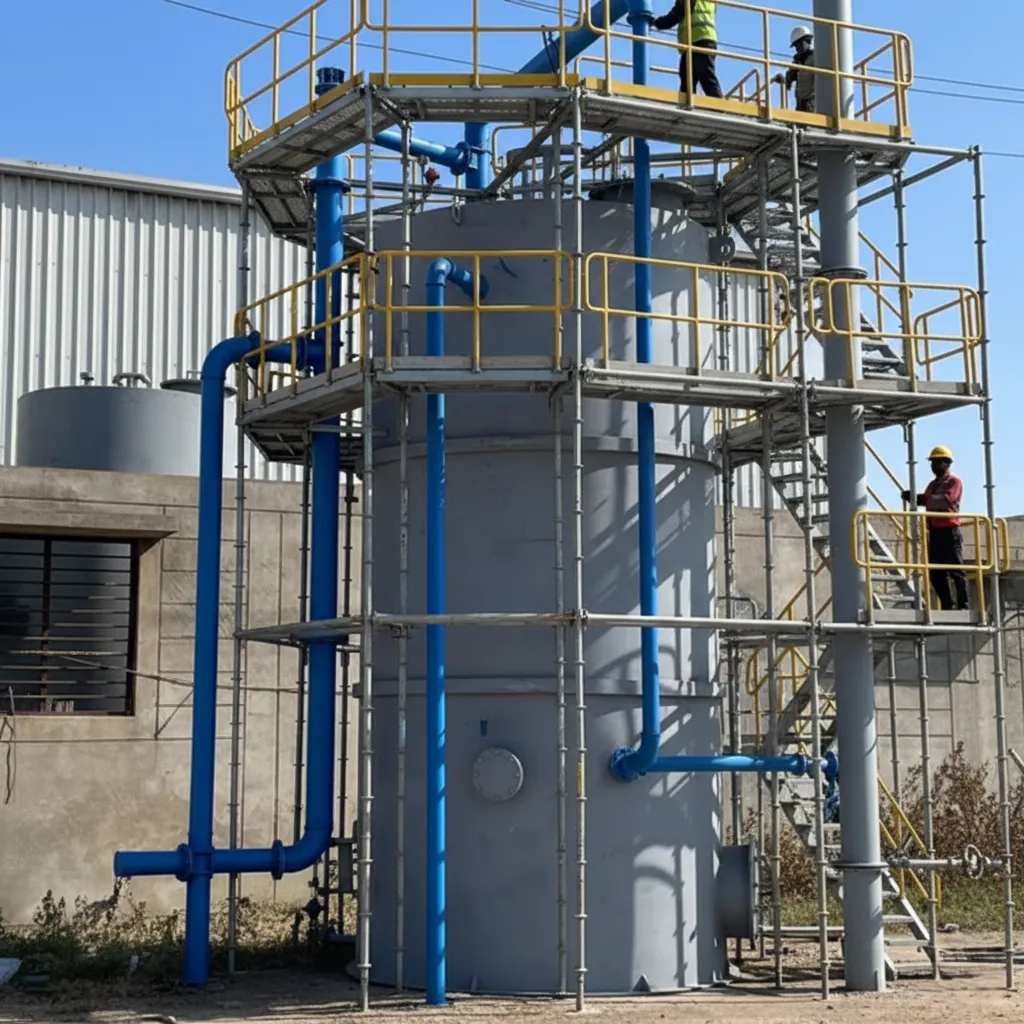
Compressed Biogas, or Bio-CNG, is produced when organic waste breaks down inside an anaerobic digester. The raw biogas that comes out gets purified, the carbon dioxide is stripped away, and what remains is close to 95% methane — chemically almost identical to CNG. It runs vehicles. It fires industrial boilers. It feeds into gas grids.
India imports a heavy share of its natural gas. Every kilogram of CBG produced at home is a kilogram not bought in dollars. Add the fact that Gujarat produces enormous volumes of dairy waste, agricultural residue and municipal organic waste, and the logic becomes obvious. The Gujarat CBG Policy simply gives that logic a financial engine.
Financial Incentives Under the Gujarat CBG Policy
This is where the policy stops sounding like a document and starts sounding like an opportunity.
Up to 75% subsidy for institutional plants. Educational institutions, gaushalas, temples, hostels and community setups can receive financial assistance covering as much as three-quarters of the project cost. GEDA manages these applications, with roughly ₹12 Crore earmarked for institutional projects.
Capital subsidy up to ₹25 Crore for commercial plants. Large commercial Bio-CBG projects qualify for capital support that can go up to ₹25 Crore. For a capital-heavy sector like biogas, this single line changes the entire payback calculation.
₹2 per unit power tariff subsidy. Electricity is a running cost that quietly eats into margins. A ₹2/unit subsidy, valid for five years, protects operating economics during the crucial early phase.
100% SGST reimbursement for five years. Full State GST reimbursement for half a decade improves cash flow exactly when a new plant needs it most.
₹60 Crore budget for cooperative Bio-CNG expansion. Milk cooperatives and dairy societies get dedicated support to build large-scale facilities. Gujarat's dairy network is among the finest in the world, and this provision puts that network to work.
Value addition through FOM. Fermented Organic Manure, the by-product left after digestion, carries its own subsidy. It improves soil health, lifts crop productivity, and gives plant operators a second revenue stream instead of a disposal headache.
The Circular Journey: Waste In, Wealth Out
The beauty of a compressed biogas plant in Gujarat lies in how little goes to waste.
Cow dung, organic waste, agricultural residue and food waste enter the system. Anaerobic digestion breaks them down. Biogas is captured and upgraded into clean Bio-CNG fuel. The digestate becomes Fermented Organic Manure, which returns to the field and grows the next crop — which eventually produces the next batch of residue.
Nothing is discarded. That is a genuine circular economy, not a slide in a presentation.
Who Should Be Looking at This Policy Seriously
Dairy cooperatives sitting on daily dung volumes. Sugar mills with press mud piling up. Municipal corporations managing wet waste. Poultry farms. Gaushalas. Agro-processing units. Food processing plants. Private investors hunting for a renewable asset with a clear subsidy backstop and a real off-take market.
If your operation generates organic waste in tonnes rather than kilograms, the Gujarat CBG Policy is written for you.
Benefits That Reach Beyond the Balance Sheet
Clean fuel replaces imported LNG and diesel. Farmers earn additional income by selling crop residue instead of burning it. Rural employment rises because plants need operators, technicians, drivers and feedstock collectors. Landfills receive less organic load, so methane emissions drop at source.
Atmanirbhar Gujarat, Viksit Bharat — these phrases get printed on banners often. A working CBG plant is what they look like on the ground.
What It Takes to Set Up a Bio-CNG Plant
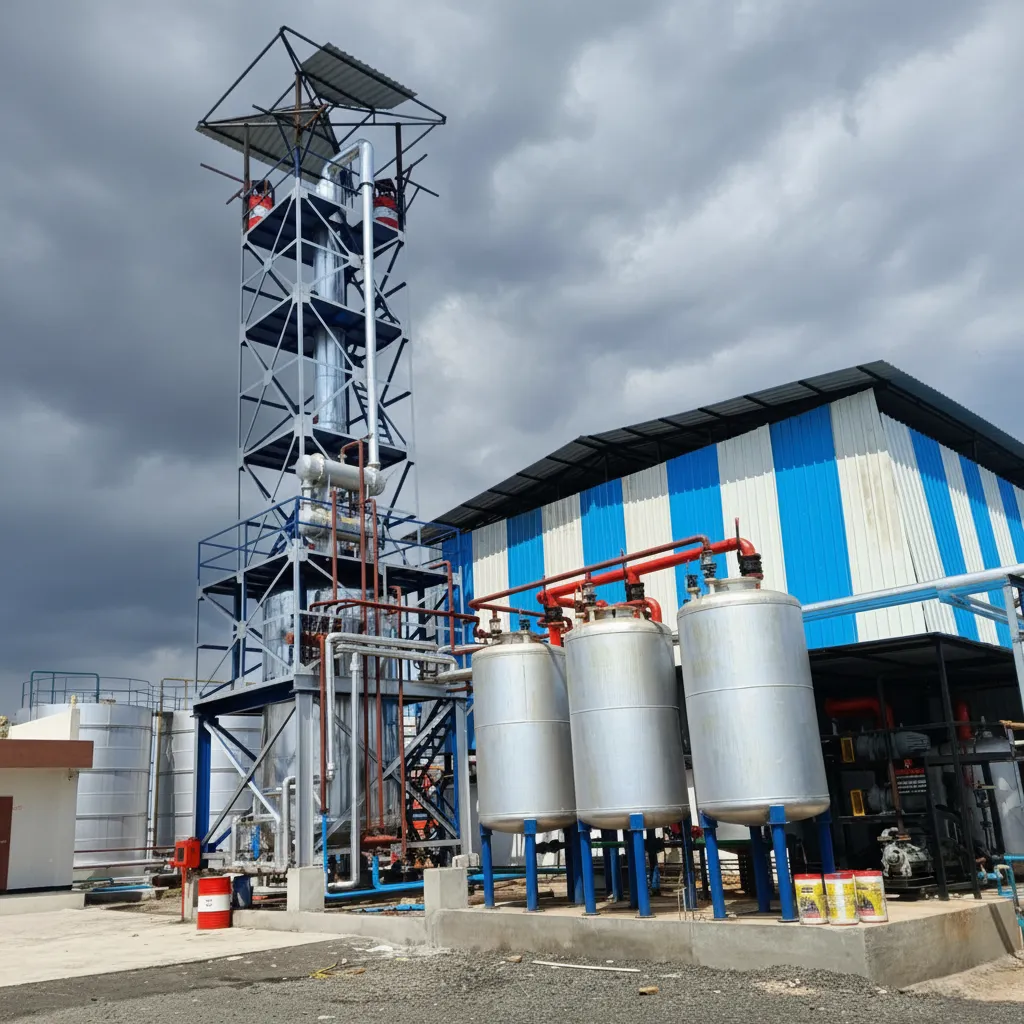
A viable project starts with feedstock security. You need a dependable daily supply and a written arrangement to back it up. Next comes site selection with adequate land, water and grid connectivity. Then technology selection — digester type, purification system and bottling or grid-injection setup, all matched to your feedstock characteristics.
Approvals follow: GEDA registration, pollution control board clearance, PESO certification for gas handling, and an off-take agreement with an oil marketing company or industrial buyer. Subsidy applications are then filed with supporting documentation.
Getting the engineering right at design stage is what separates a plant that performs from one that struggles. Feedstock chemistry, retention time, digester sizing and purification efficiency all interact, and a shortcut in any one of them shows up as lost gas yield for the next twenty years.
Why Choose Shree Narayan Engineering Pvt. Ltd.
Shree Narayan Engineering Pvt. Ltd. works across the full Bio-CBG value chain, from feasibility study and detailed project engineering to plant erection, commissioning and long-term operational support. Our team understands Gujarat's feedstock realities, its regulatory pathways, and the practical steps needed to move a subsidy application from intent to approval. We design plants around the waste you actually have rather than around a generic template, which means better gas yield, cleaner FOM output and stronger project economics. Clients come to Shree Narayan Engineering Pvt. Ltd. for turnkey execution and stay for the after-sales engineering support that keeps a plant running at design capacity year after year.
Conclusion
The Gujarat CBG Policy has shifted compressed biogas from a good idea into a fundable, bankable business. With up to 75% assistance for institutional projects, capital subsidy reaching ₹25 Crore, a ₹2/unit power tariff benefit, full SGST reimbursement for five years and dedicated cooperative funding, the financial framework is genuinely rare. Add rising demand for clean fuel and a steady market for organic manure, and the case builds itself. Waste is no longer a cost to manage — it is feedstock waiting to be monetised. If you are considering a Bio-CNG plant, this is the window to act while incentives are live and approvals are moving. Shree Narayan Engineering Pvt. Ltd. is ready to help you build it.
Frequently Asked Questions
Common questions about the Gujarat CBG Policy and setting up a compressed biogas plant.
Planning a Bio-CNG plant in Gujarat? Talk to our engineering team about feasibility, subsidy eligibility and turnkey execution.