







Key Takeaways
- A commercial Bio CNG project needs 50–67 tonnes of fresh cattle dung to produce 1 tonne of CBG.
- Actual output of CBG varies based on dung quality and digestion efficiency, not just feedstock quantity.
- Shree Narayan Engineering Pvt. Ltd. aids in determining suitable plant capacity based on available dung supply.
- Selecting a Bio CNG Plant Manufacturer in India is crucial for ensuring optimal feedstock and processing plans.
- Understanding moisture and contamination levels in feedstock is essential for successful CBG production.
Shree Narayan Engineering Pvt. Ltd. is a leading manufacturer of Bio CNG plants. For anyone planning a cattle-dung-based CBG project, the first serious question is usually not about the digester—it is about feedstock.
How many tonnes of dung can actually reach the plant every day? As a Bio CNG Plant Manufacturer in India, we assess this before finalizing the plant capacity, as a commercial plant can operate effectively only when there is a consistent and adequate supply of feedstock.
How Much Cattle Dung Is Needed for 1 Tonne of CBG?
For early-stage project planning, a useful government-backed reference is about 50 to 67 tonnes of fresh cattle dung for roughly 1 tonne of CBG.
A Government of India reference model for a dung-based CBG plant describes a 100 metric-tonne-per-day cattle-dung input producing approximately 1.5 to 2 metric tonnes of CBG per day. That works out to roughly 50–67 tonnes of dung for each tonne of CBG.
This is a planning benchmark, not a guaranteed conversion ratio. Actual output changes with dung quality, solids content, digestion performance, methane generation and gas-upgrading efficiency.
What Does This Mean for a Commercial Project?
Based on the government reference provided above, the initial feedstock requirement is estimated as follows:
| Target CBG Output | Indicative Fresh Cattle Dung Requirement |
|---|---|
| 1 TPD CBG | About 50–67 TPD |
| 2 TPD CBG | About 100–133 TPD |
| 5 TPD CBG | About 250–333 TPD |
| 10 TPD CBG | About 500–667 TPD |
The table is useful for feasibility discussions, but it should not replace feedstock testing and a project-specific mass balance.
As a Bio CNG Plant Manufacturer, we would not recommend sizing a commercial project solely by multiplying a standard ratio. What matters is what the available dung can produce under the selected process conditions.
Why the Same Quantity of Dung Does Not Always Give the Same Output
Cattle dung looks like a simple feedstock, but its condition can change considerably from one source to another.
Dung collected fresh from a dairy cluster may behave differently from material that has been stored, diluted with wash water or mixed with soil and bedding. The amount of biodegradable organic matter entering the digester therefore matters.
MNRE's biogas guidance gives a general figure of around 0.04 m³ of biogas per kilogram of cow dung and also describes a 1:1 dung-to-water mixture for conventional cow-dung biogas systems.
For a commercial CBG project, however, raw biogas must still be purified and compressed. That is why our work as a Bio CNG Plant Manufacturer in India starts with the actual feedstock rather than relying on one theoretical yield figure.
Where Will Hundreds of Tonnes of Dung Come From Every Day?
This is often the tougher question.
A commercial cattle-dung project can require collection from a large gaushala, dairy cluster or several nearby cattle-owning communities. Transport distance, collection frequency and daily consistency become part of the plant design.
Government data also shows why this needs careful planning. NITI Aayog notes that one cow may produce around 10–12 kg of dung per day, while another Government of India estimate based on NDDB information has used about 15 kg per bovine per day. NITI Aayog
Not all of that dung will necessarily be recoverable for the plant. Some may already have other uses, while collection losses and seasonal changes must also be considered.
Feedstock Supply Should Decide Capacity, Not the Other Way Around
A common project mistake is to select the CBG output first and look for dung later.
We prefer the opposite approach.
- Map dependable cattle-dung sources around the proposed site.
- Estimate how much fresh dung can actually be collected each day.
- Check moisture, contamination and feedstock consistency.
- Evaluate transport and receiving arrangements.
- Build the plant capacity around the verified usable feedstock.
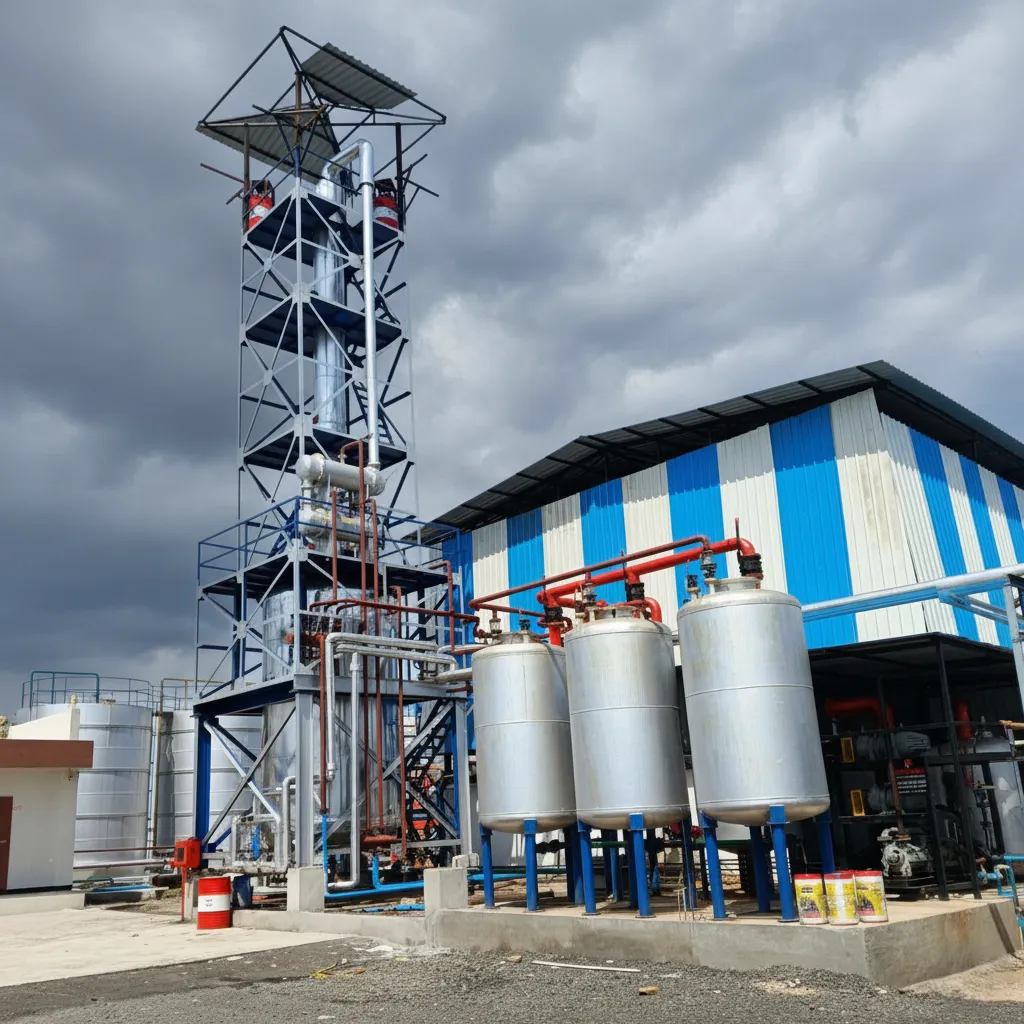
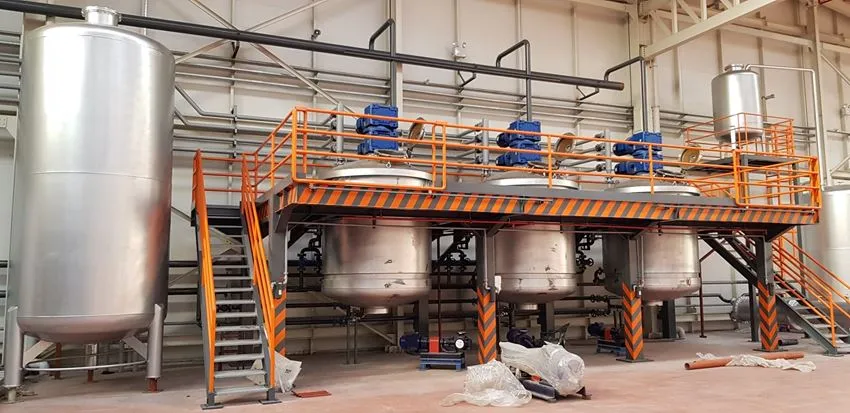
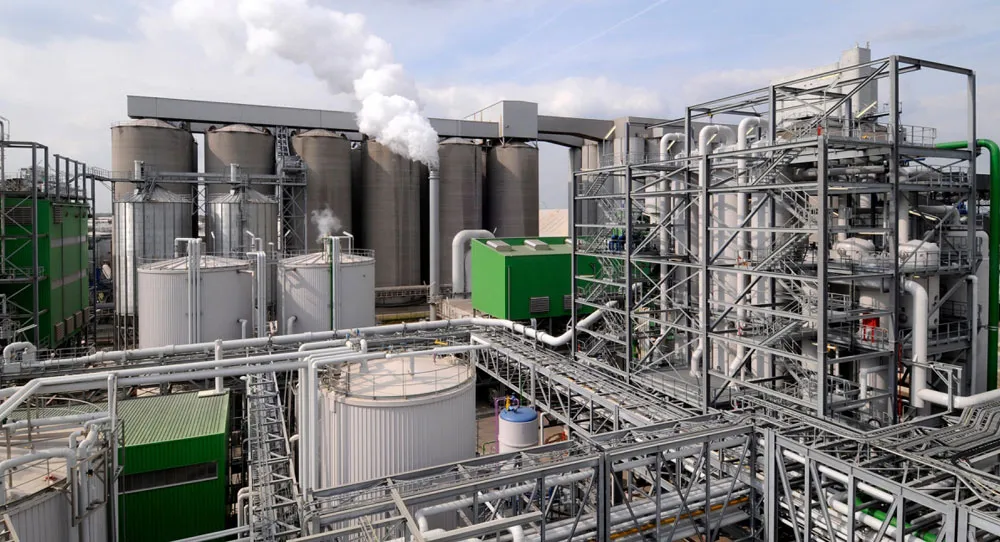
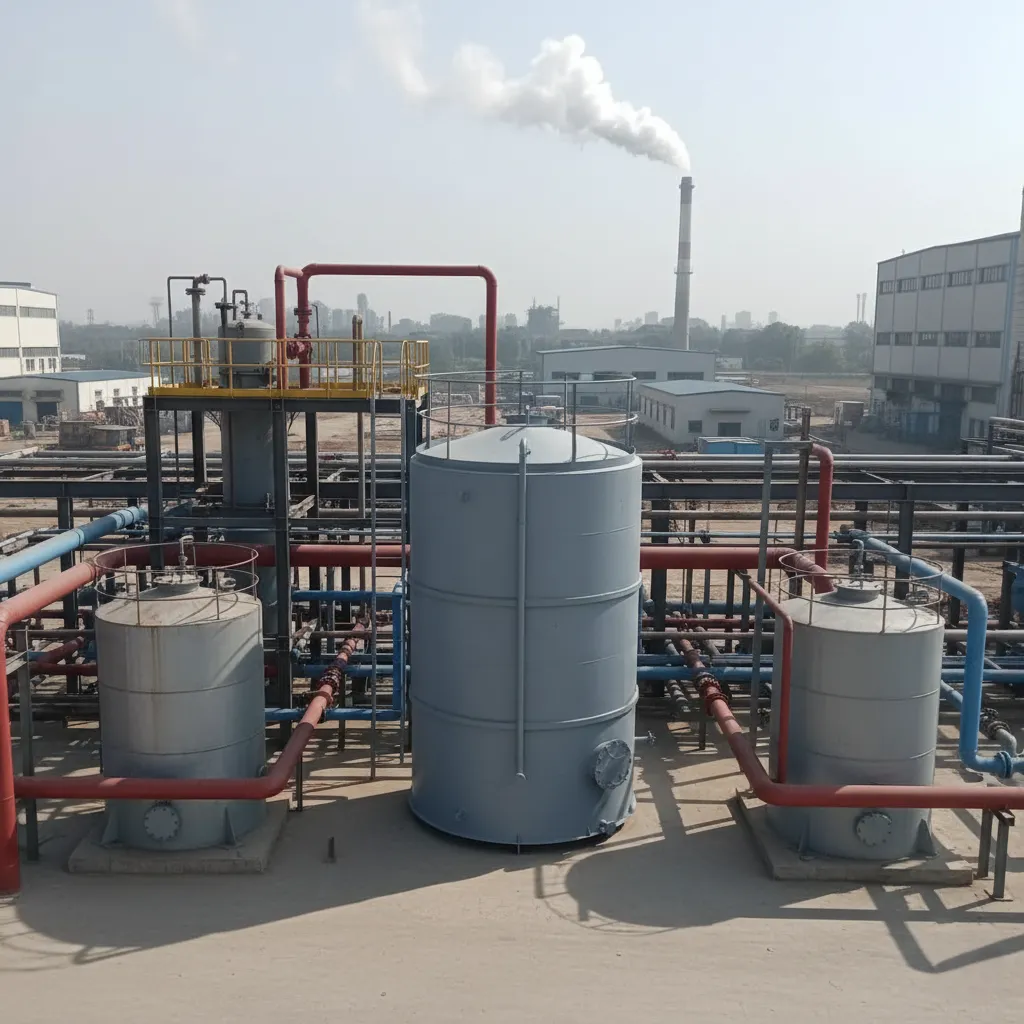
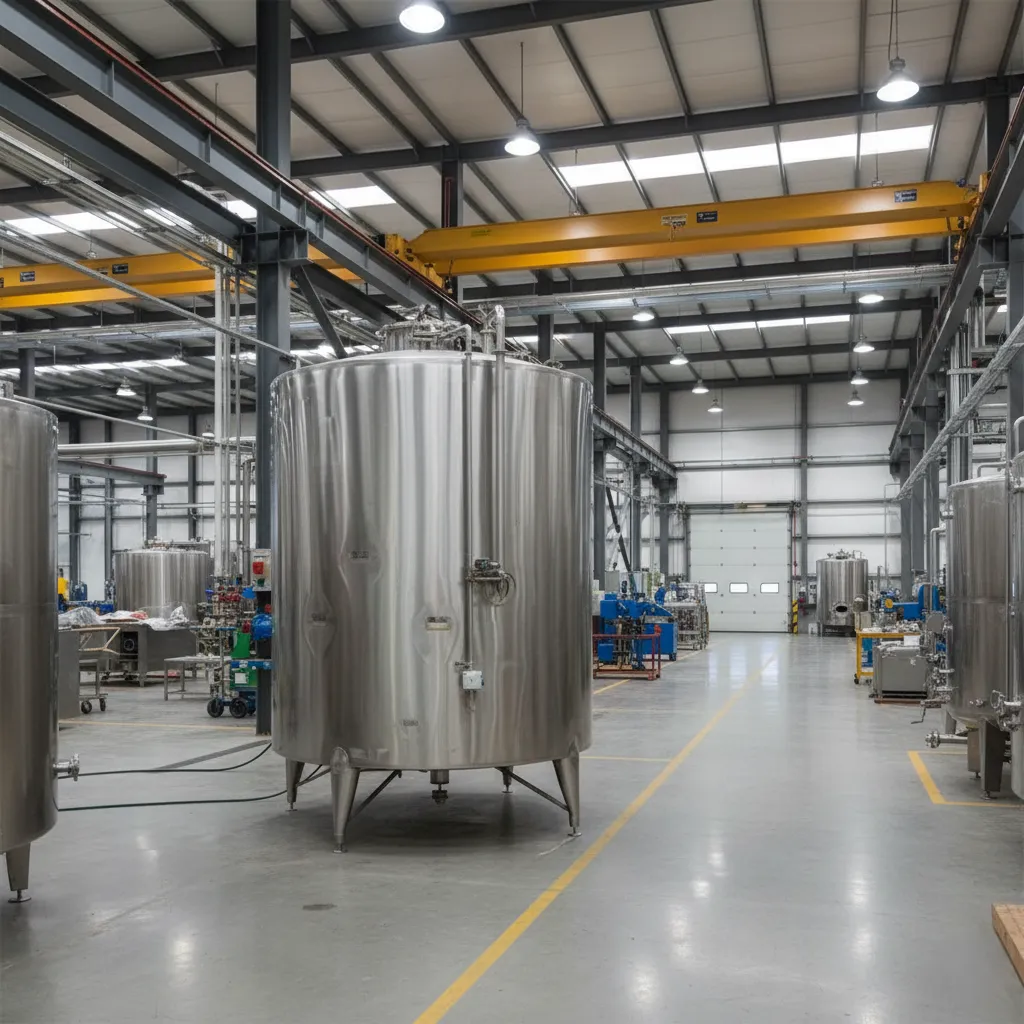
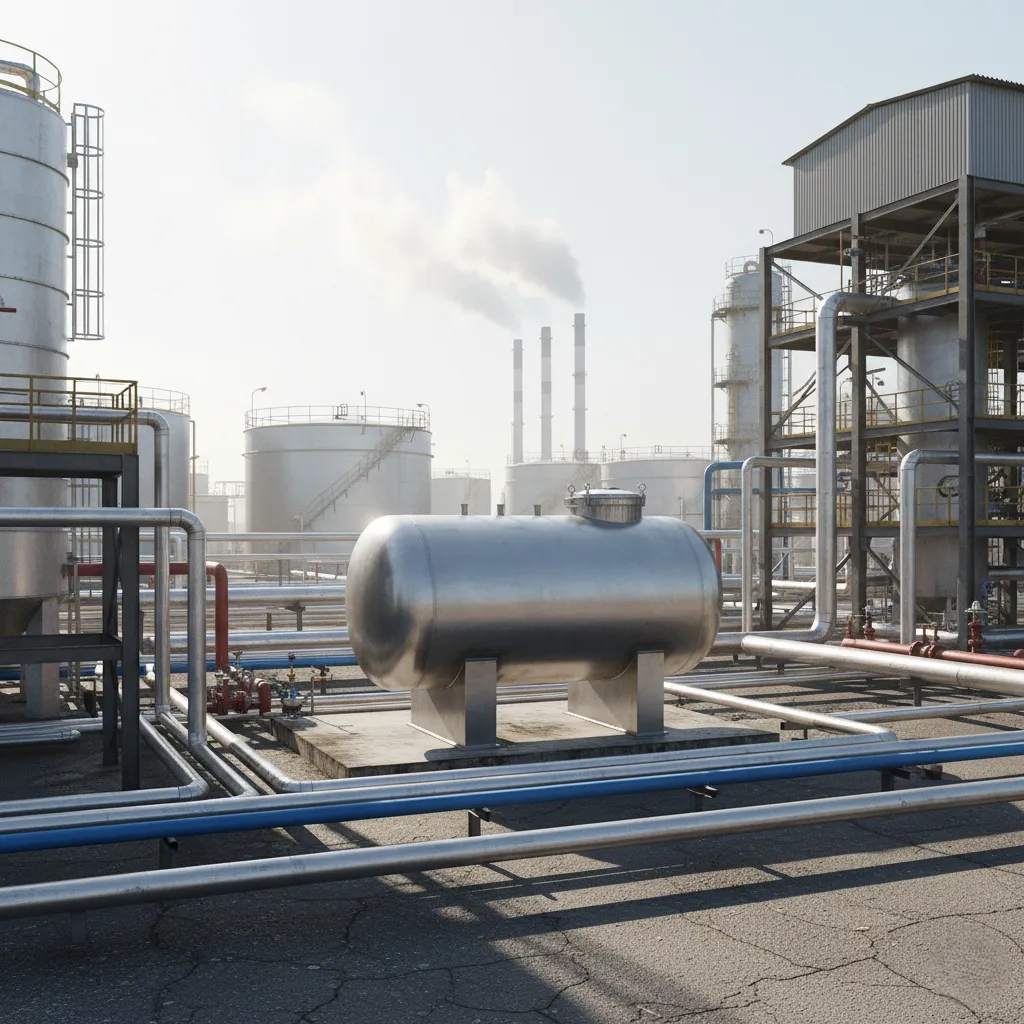
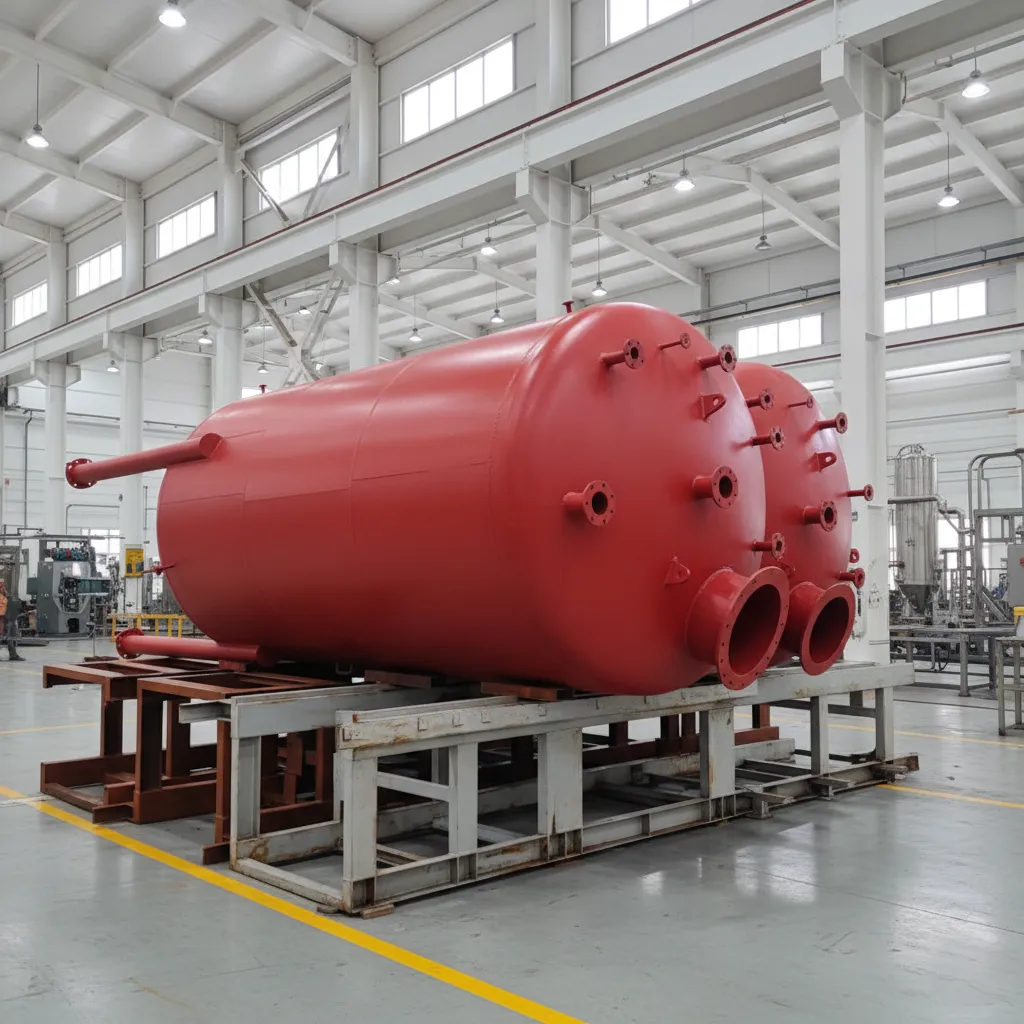
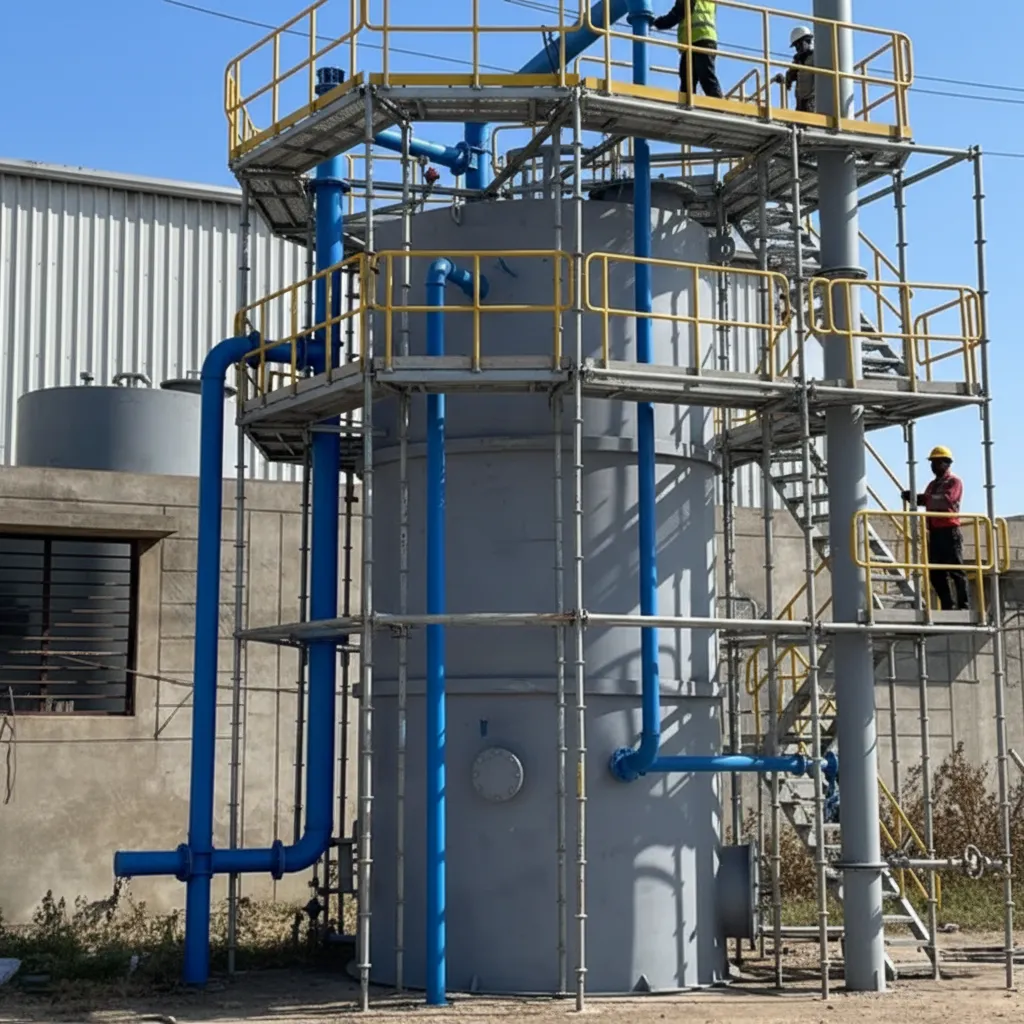
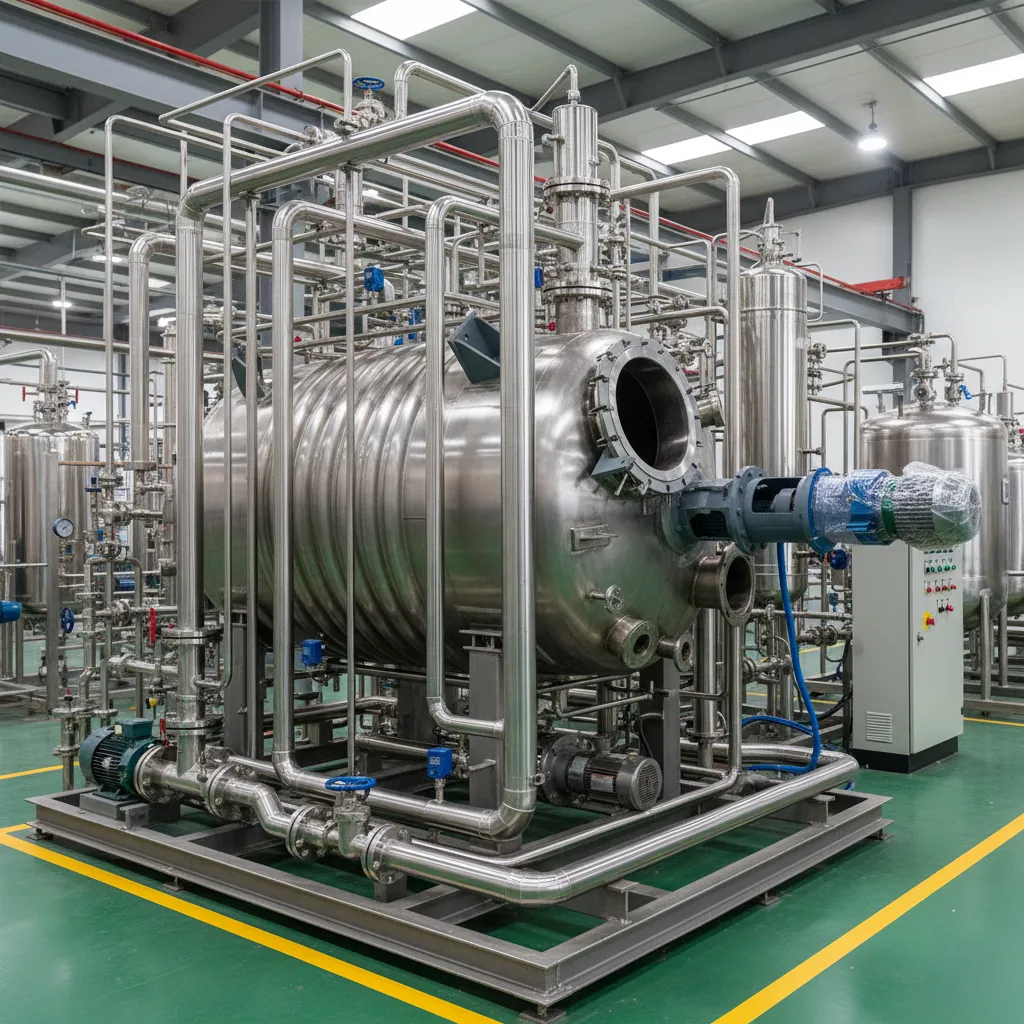
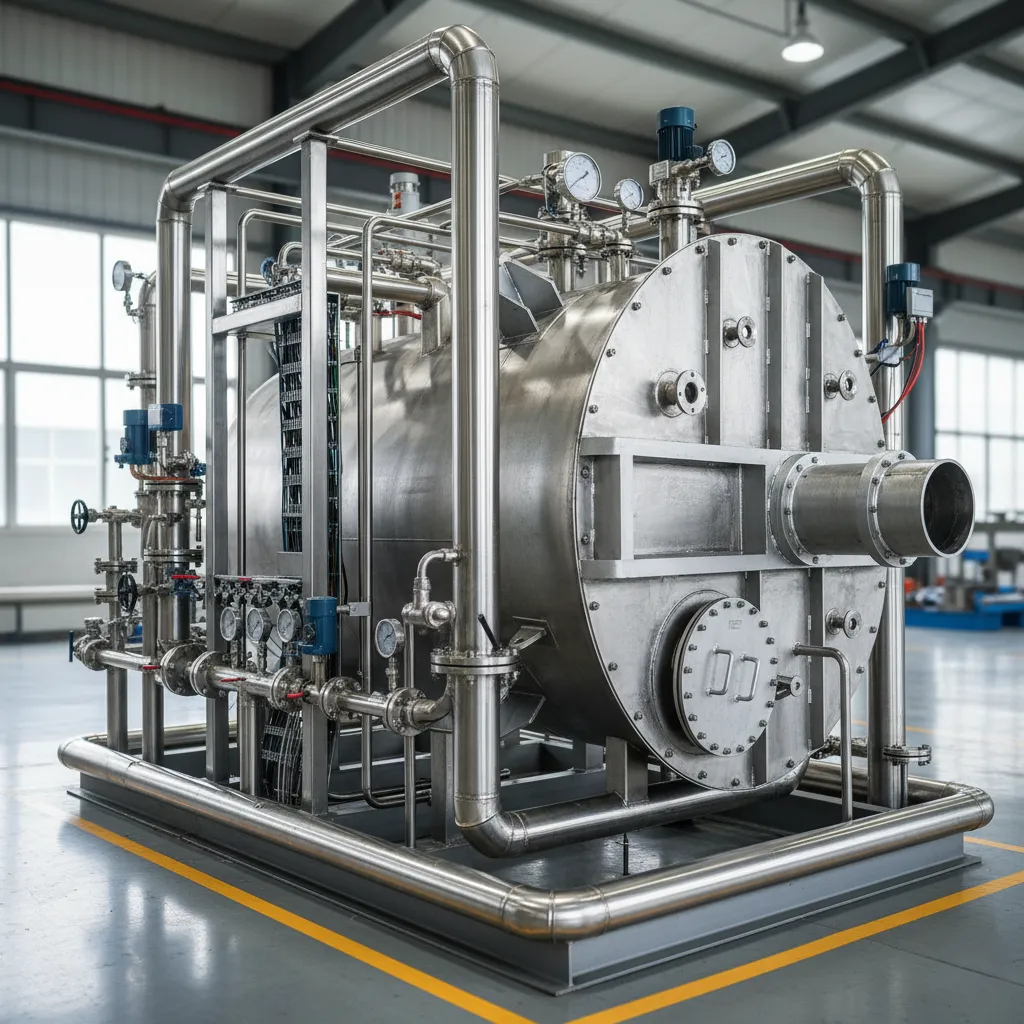
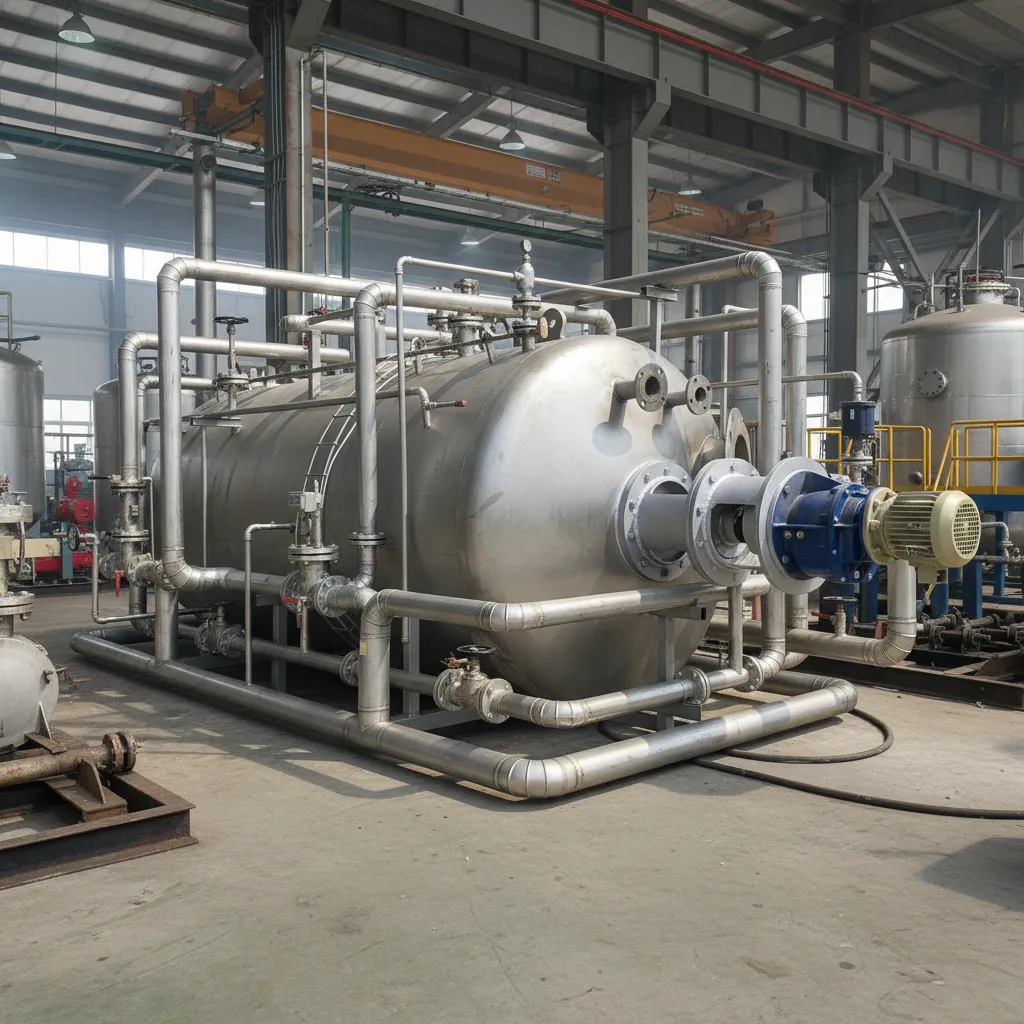
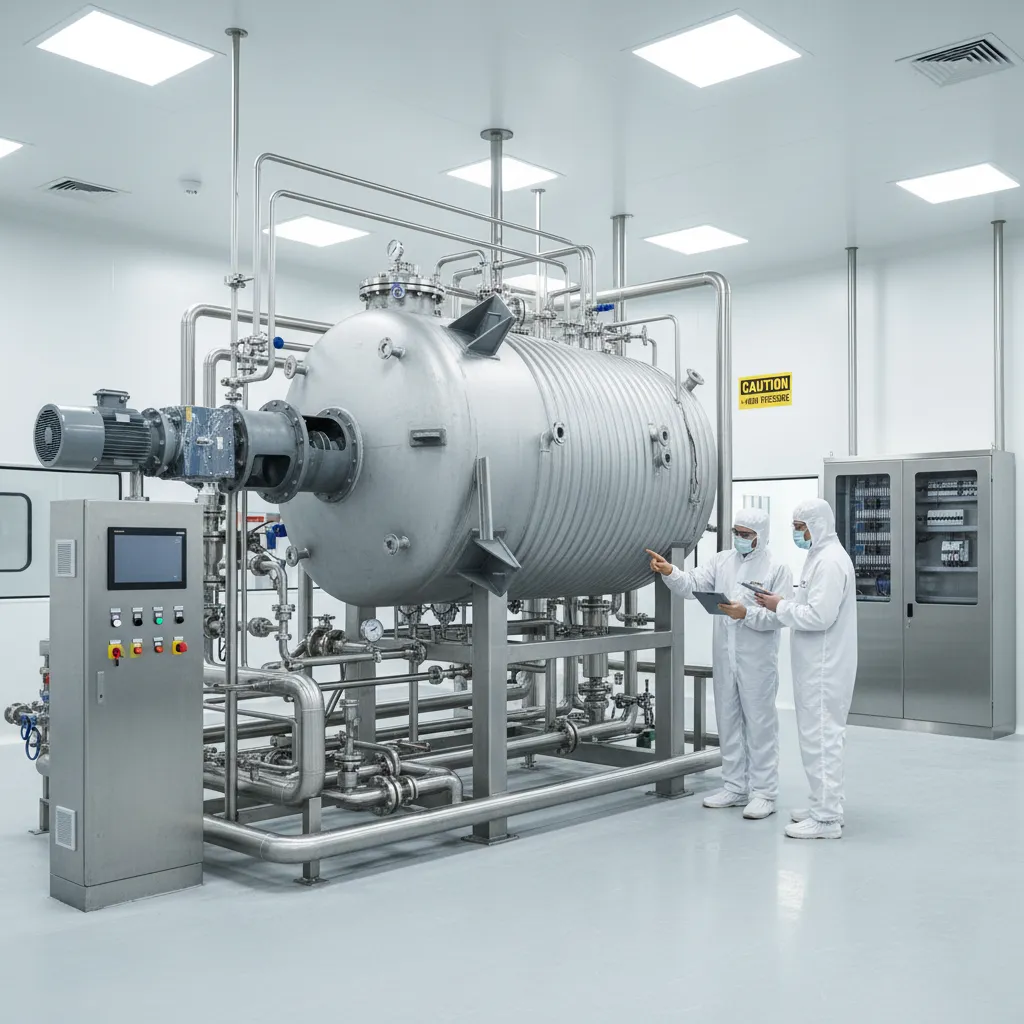
At Shree Narayan Engineering Pvt. Ltd., our Bio CNG systems use anaerobic digestion followed by purification and compression. The plant range is stated at 5–100 TPD, with semi-automatic or fully automatic options, PLC/SCADA controls and MS, SS304 or SS316 material choices depending on the project.
What Happens to the Dung Inside the Plant?
Cattle dung first needs to be received and prepared as a suitable feed slurry. Inside the anaerobic digester, microorganisms break down the organic matter and generate raw biogas containing methane, carbon dioxide and other components.
The gas is then purified to remove CO₂, H₂S and moisture before compression. Our Bio CNG plant specifications state gas purity of up to 95% methane.
A properly selected Bio CNG Plant Manufacturer therefore has to consider the feed section, digestion, purification and compression as one connected process—not as separate machines.
Before Finalizing a Dung-Based CBG Project
A promoter should be able to answer these questions before freezing the plant capacity:
- How many tonnes of fresh dung are genuinely available each day?
- How far will the dung travel before reaching the plant?
- Is the supply concentrated at one gaushala or spread across many villages?
- What is the moisture and contamination level?
- Will the feedstock remain available throughout the year?
- Is there enough receiving and slurry-handling infrastructure?
Working with a Bio CNG Plant Manufacturer in India at this stage can help connect the proposed CBG output with an achievable daily feedstock plan.
Why Choose Us
At Shree Narayan Engineering Pvt. Ltd., we approach a Bio CNG project from the feedstock side first. Our team works on plant engineering, equipment manufacturing, automation, installation and commissioning while considering how the available organic material will be received and processed. As a Bio CNG Plant Manufacturer, we offer scalable systems with anaerobic digestion, gas purification, PLC/SCADA-based control and project-specific equipment configurations instead of treating every cattle-dung project as an identical setup.
Conclusion
For initial planning, roughly 50–67 tonnes of fresh cattle dung per tonne of CBG is a useful government-backed reference range. But a commercial project should never be sanctioned from that number alone. Freshness, solids, contamination, digestion performance, methane yield and collection reliability can all change the actual requirement. Shree Narayan Engineering Pvt. Ltd. works with project developers to connect feedstock availability with suitable plant capacity. Choosing an experienced Bio CNG Plant Manufacturer in India helps turn a daily dung estimate into a technically practical feedstock and processing plan.
Planning a cattle-dung-based commercial Bio CNG project? Shree Narayan Engineering Pvt. Ltd. can help you evaluate your available dung, required CBG capacity and suitable plant configuration. Call +91 81560 60100 or email Info@narayanengineering.in today to discuss your project with our engineering team.