



Key Takeaways
- Define the resin type, raw materials, and daily output before planning your resin plant.
- Selecting the right reactor configuration is crucial for efficient resin production processes.
- Consider heating and cooling needs to avoid operational issues in resin manufacturing.
- Choose appropriate materials for your resin plant to ensure compatibility and durability.
- As a leading Resin Plant Manufacturer in India, accurate project details help us design optimal production setups.
Shree Narayan Engineering Pvt. Ltd. is a leading manufacturer of industrial resin plants for chemical production. Before selecting equipment, a manufacturer needs to be clear about the resin being produced, daily output, reaction conditions and raw materials. As a Resin Plant Manufacturer in India, we use these details to decide the reactor, heating and cooling arrangement, construction material and automation instead of treating every resin project as the same plant.
Start With the Resin You Actually Want to Produce
“Resin plant” is too broad a specification for engineering a project.
Our systems are used for industrial production of alkyd, epoxy and polyester resins, with chemical compounds, solvents and additives used as raw materials. Different formulations can place different demands on mixing, heating, reaction and cooling.
Before asking for a plant proposal, define:
- Resin type to be manufactured
- Main raw materials and solvents
- Required batch size or daily output
- Expected product specifications
- Number of formulations the plant may handle
This information gives the engineering team something practical to design around.
As a Resin Plant Manufacturer in India, we need to understand the actual formulation before recommending a practical configuration.
Do Not Select Capacity Only From Future Sales Targets
Our resin plants are available from 5 TPD to 30 TPD, with capacity customizable according to the project.
The right capacity should also match the quantity of raw material that can be stored, handled and processed consistently.
| Capacity Question | Why It Matters |
|---|---|
| Daily production target | Determines plant throughput |
| Batch size | Influences reactor sizing |
| Raw-material supply | Must support planned production |
| Storage space | Needed for chemicals and finished resin |
| Future expansion | Affects layout and equipment planning |
As a Resin Plant Manufacturer in India, we prefer to know the realistic production requirement before the equipment list is finalized.
Check the Reactor Before Anything Else
The reactor is at the centre of resin production.
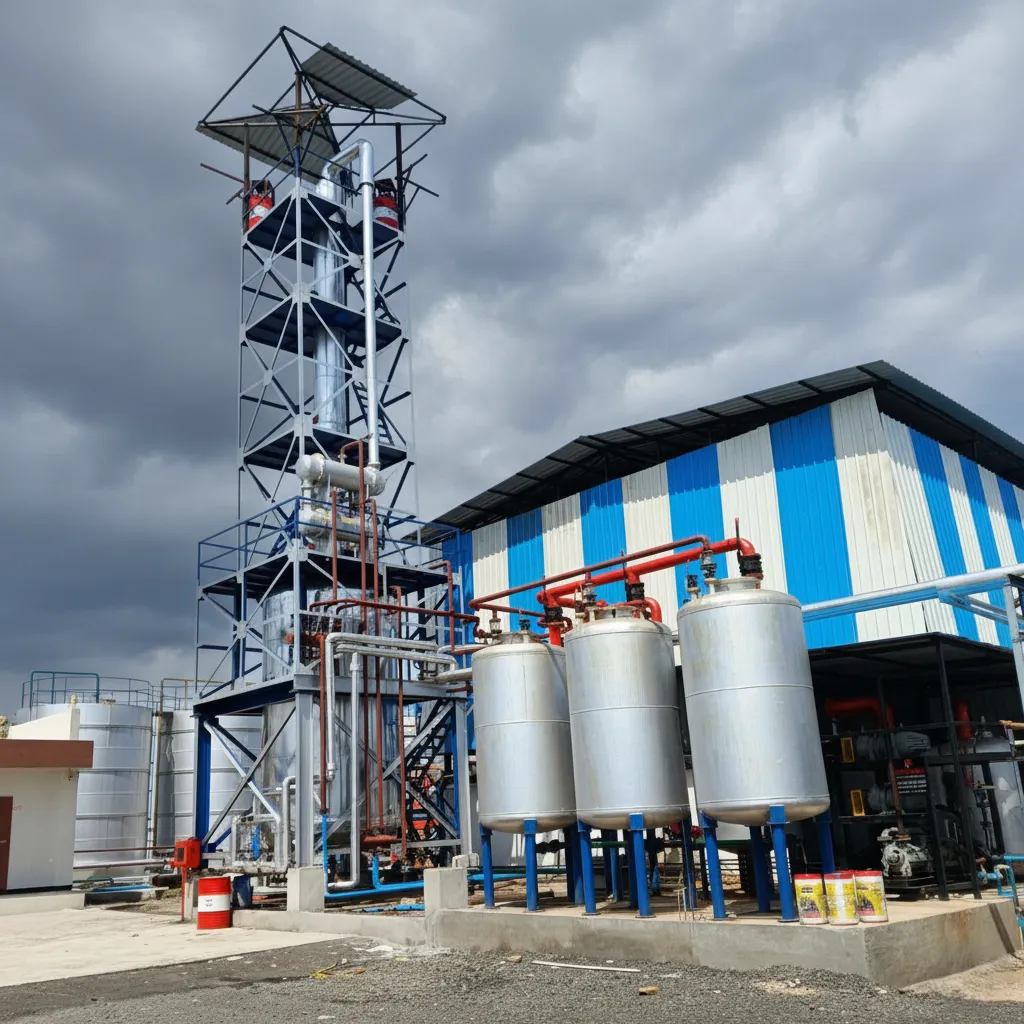
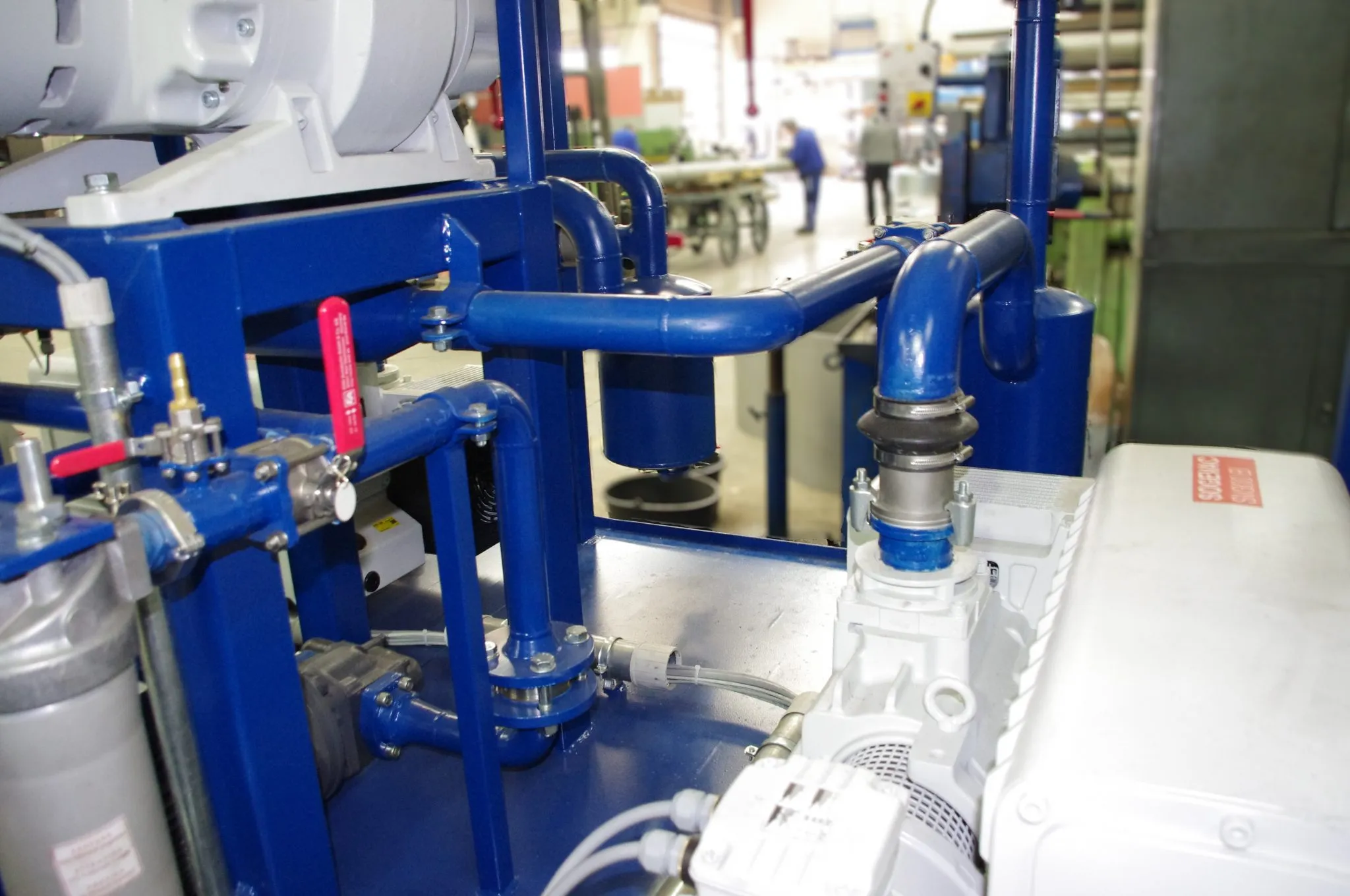
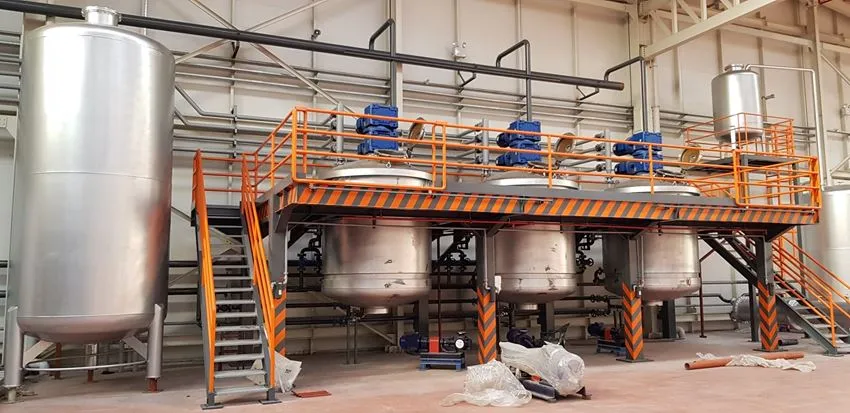
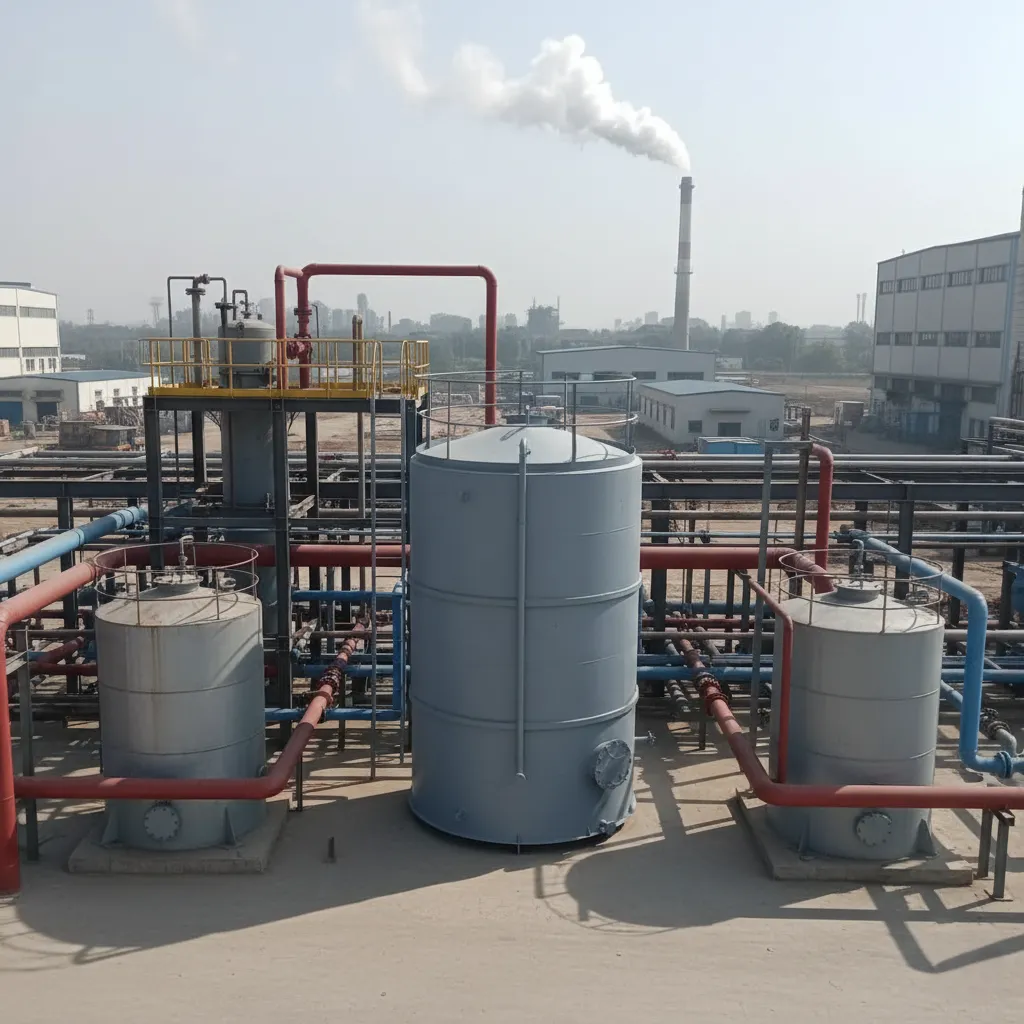
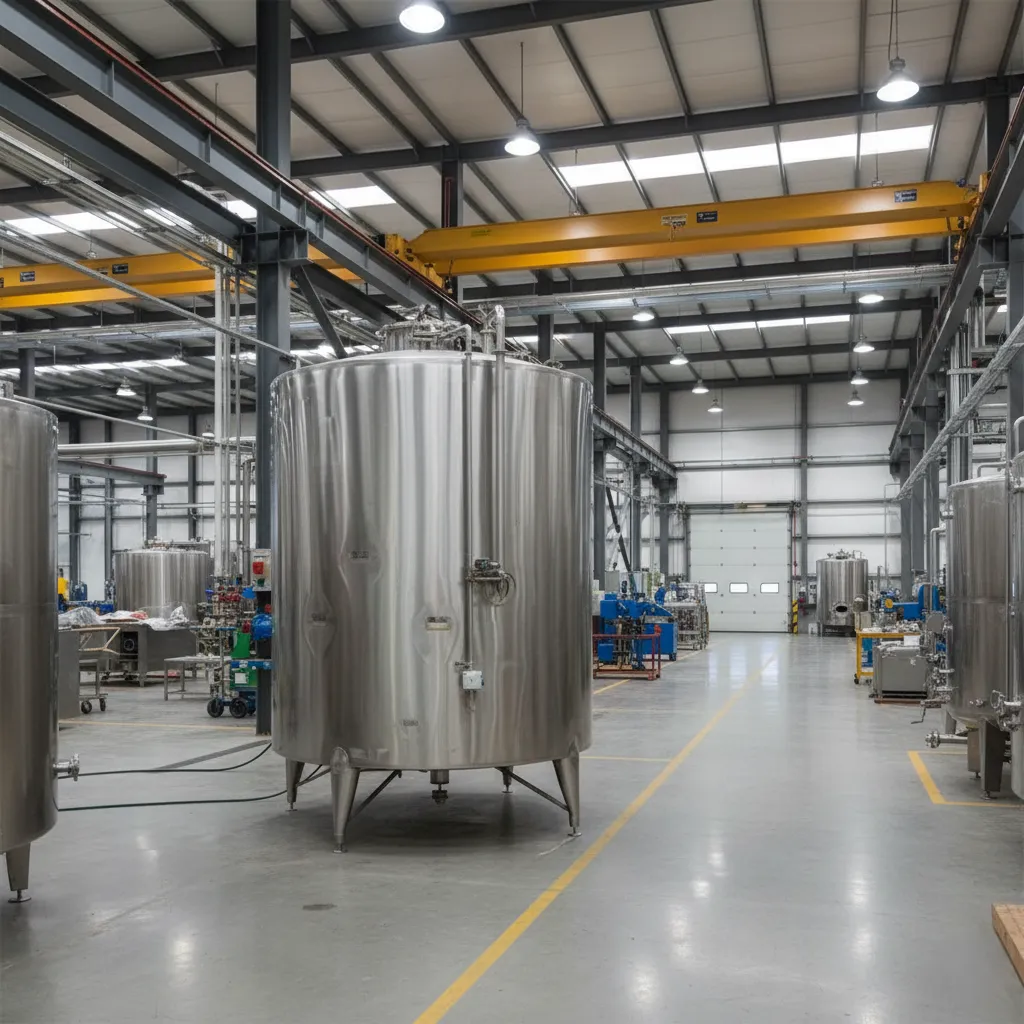
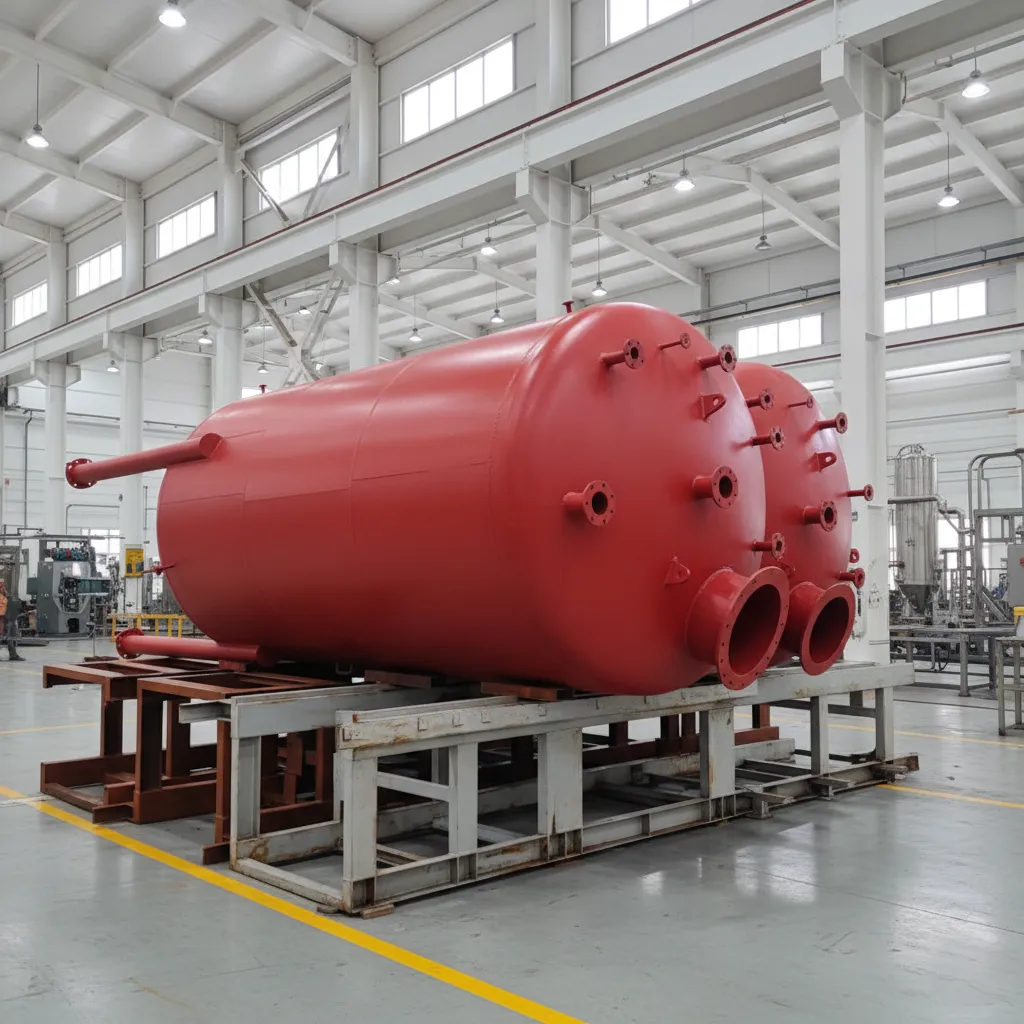
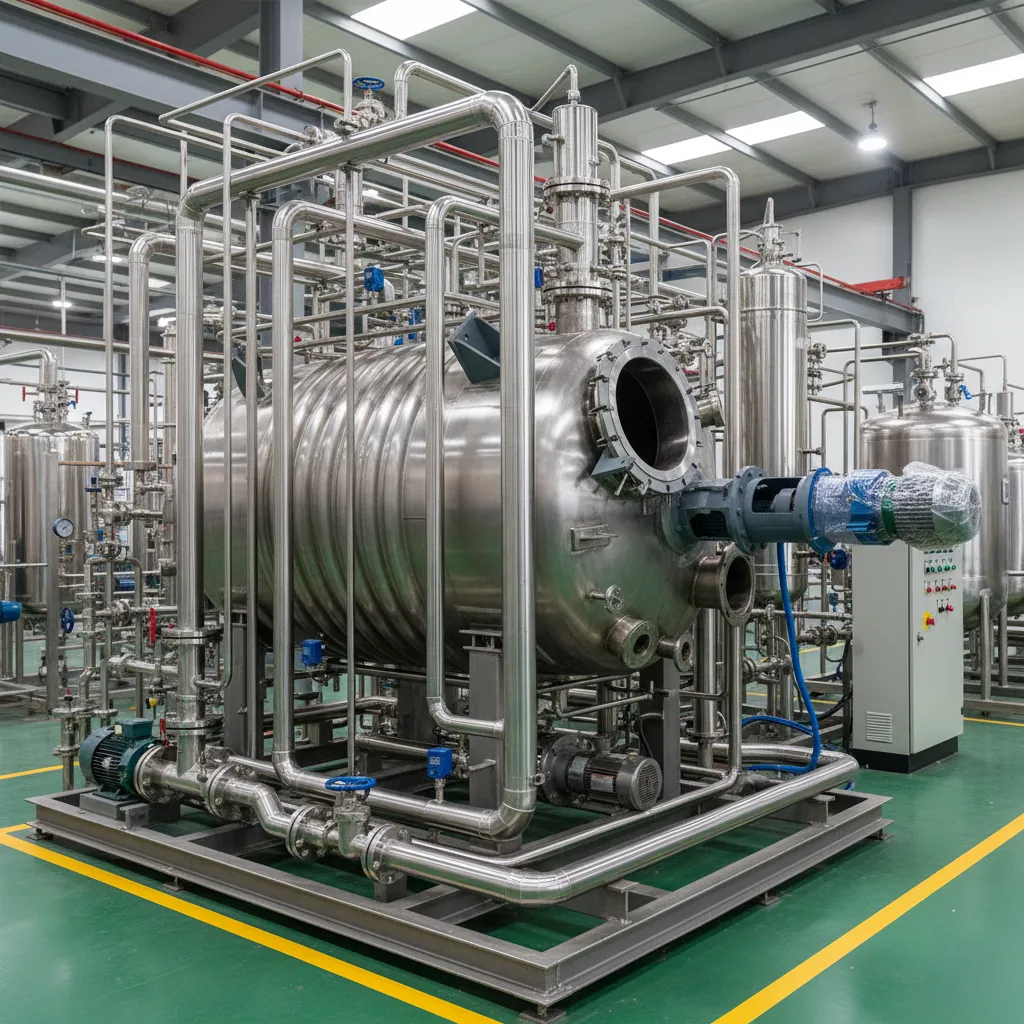
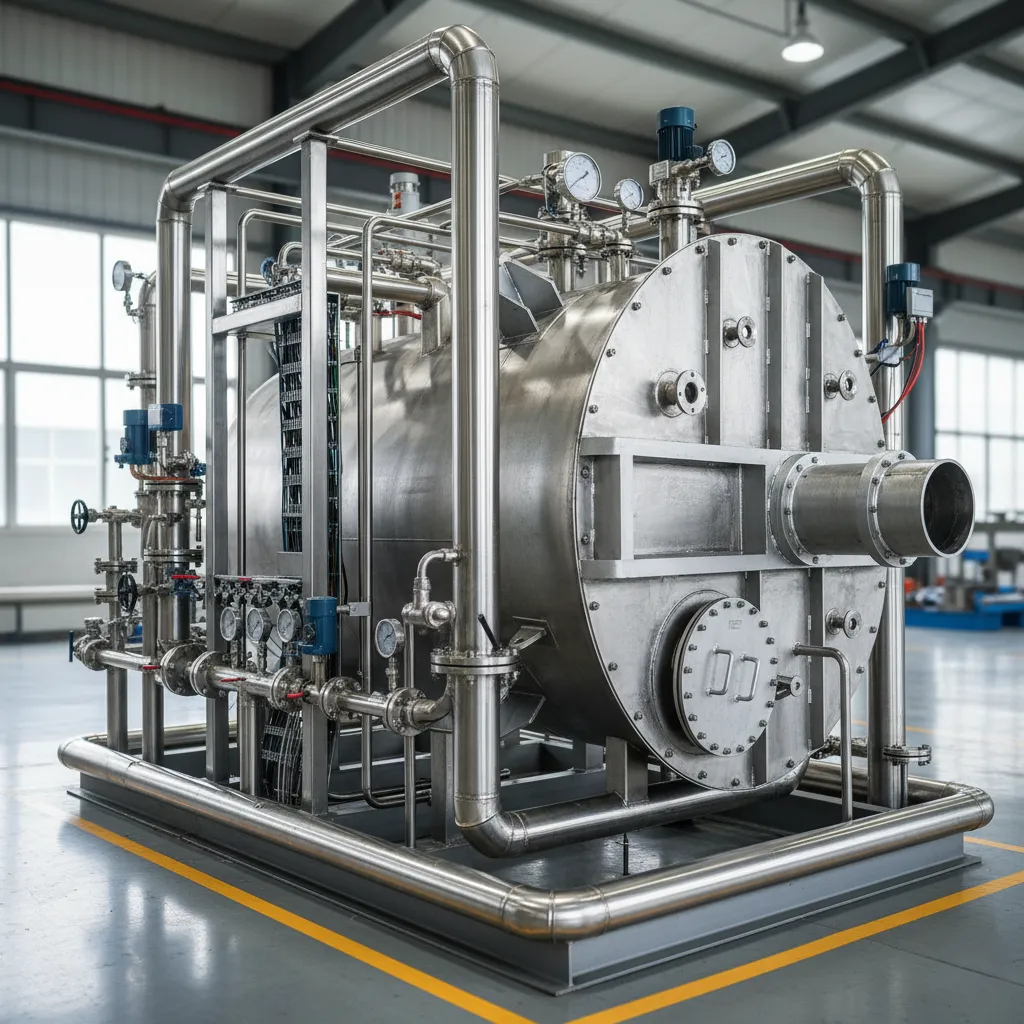
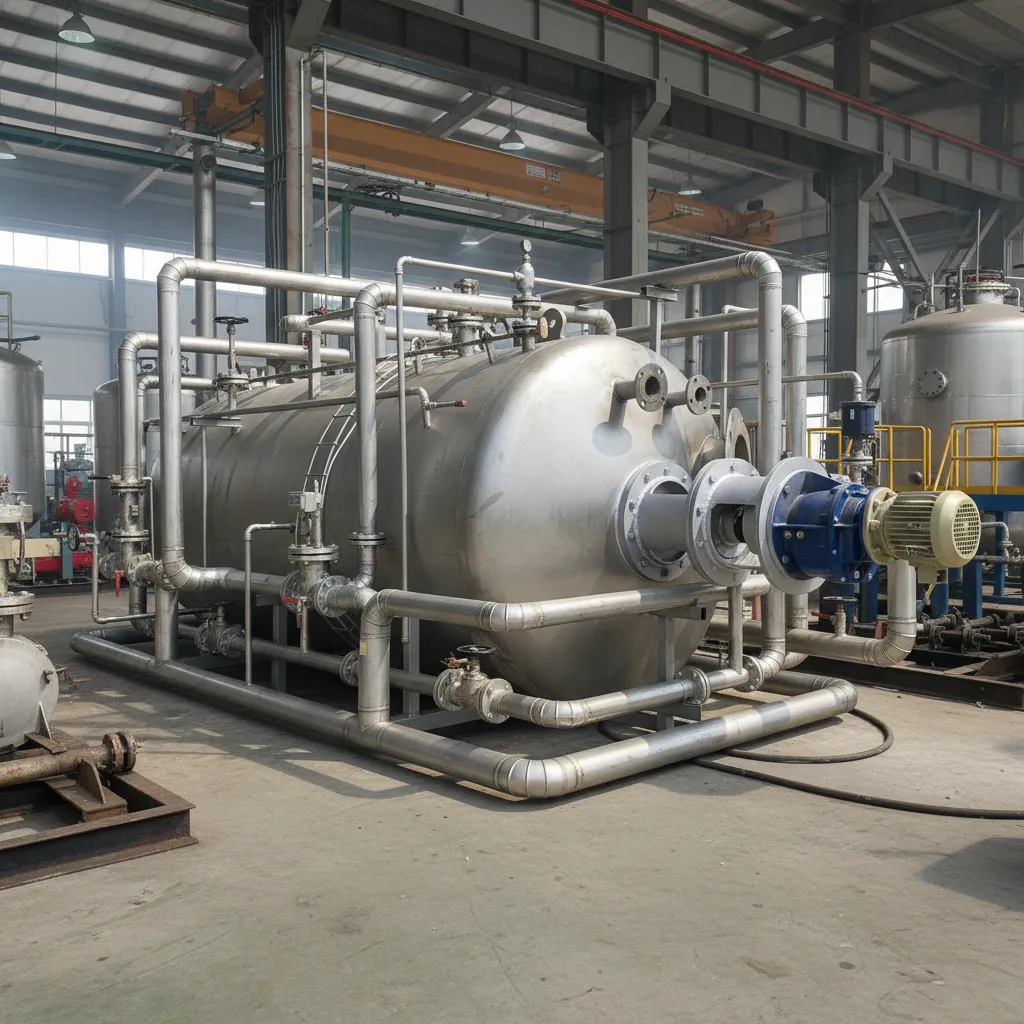
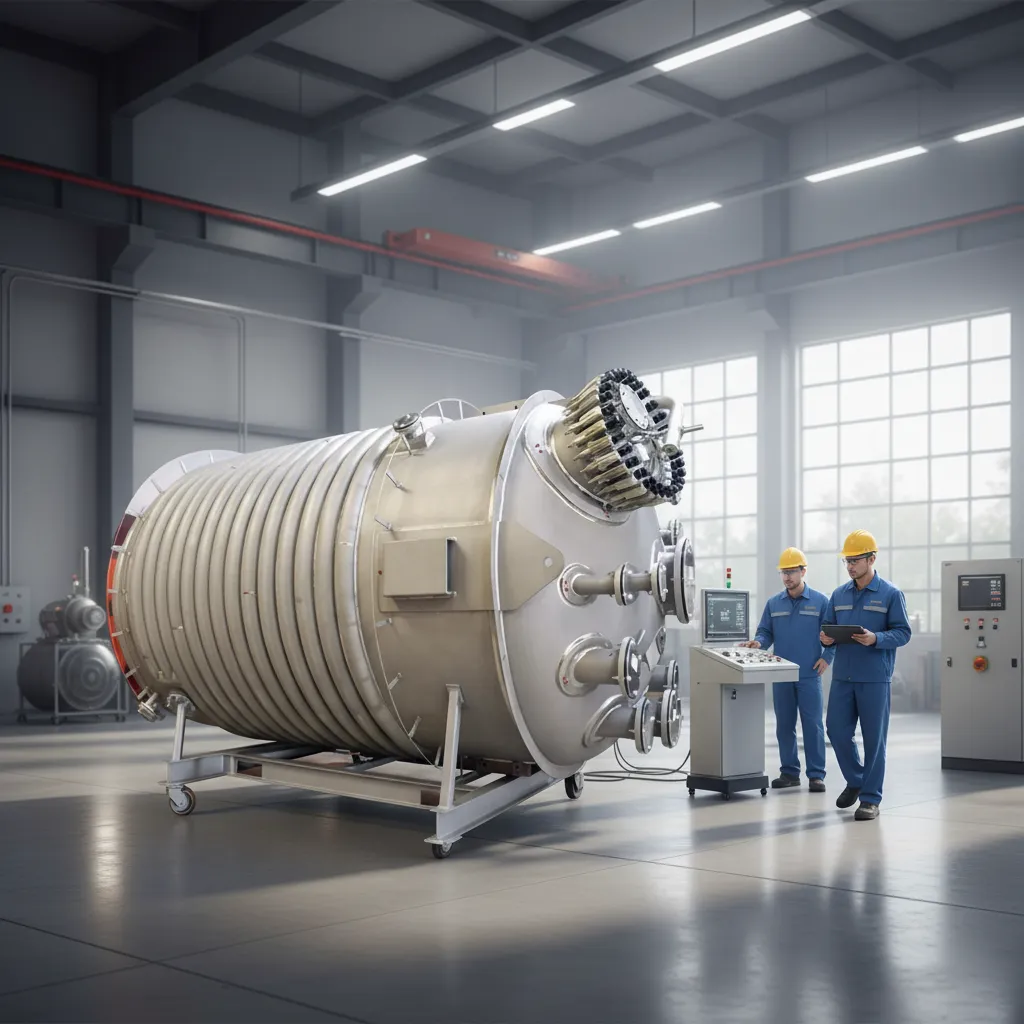
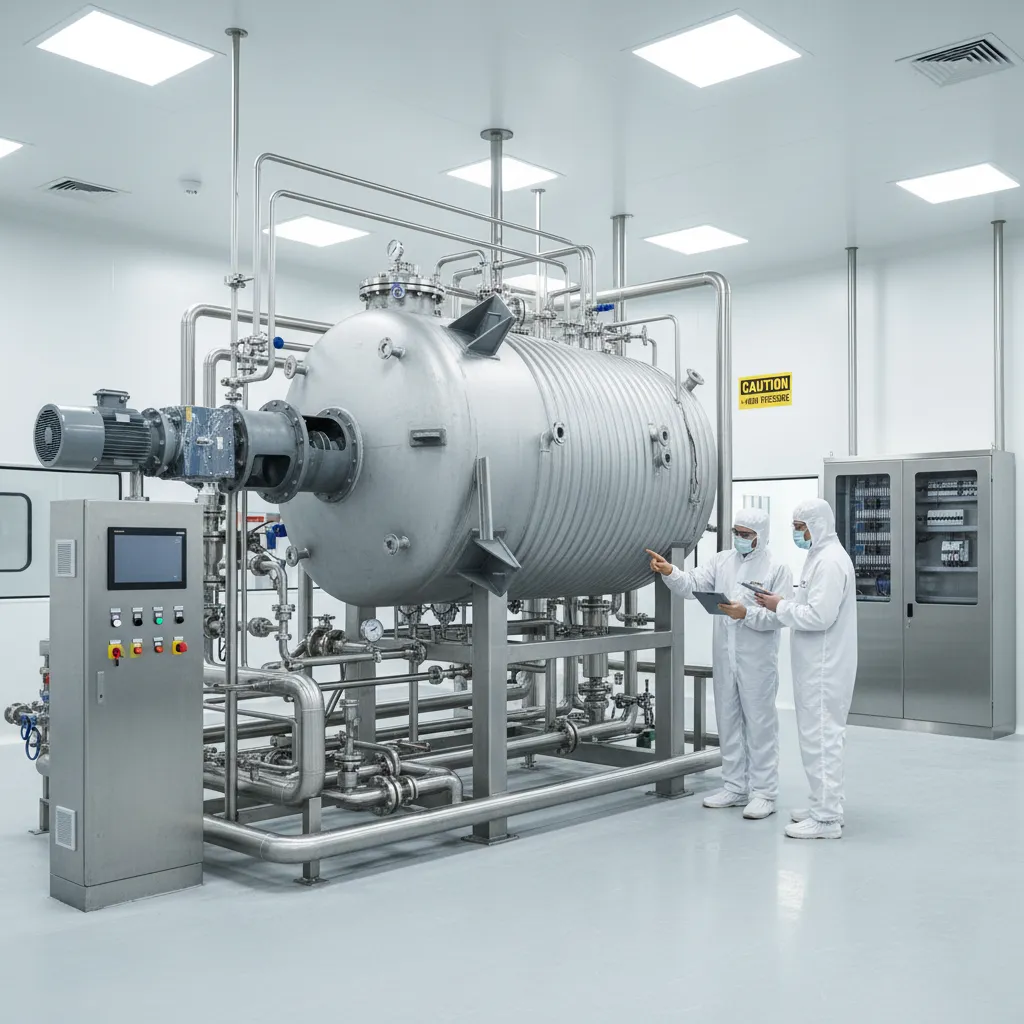
Narayan Engineering offers jacketed and stirred-tank reactor configurations. During production, measured raw materials are fed into the reactor, mixed and heated under controlled conditions, followed by polymerization. The resin is then cooled, filtered, tested and transferred for storage or dispatch.
The buyer should therefore discuss the reaction process, mixing requirement and temperature control at the beginning of the project.
A reactor should be selected around the formulation—not the other way around.
Heating and Cooling Need Equal Attention
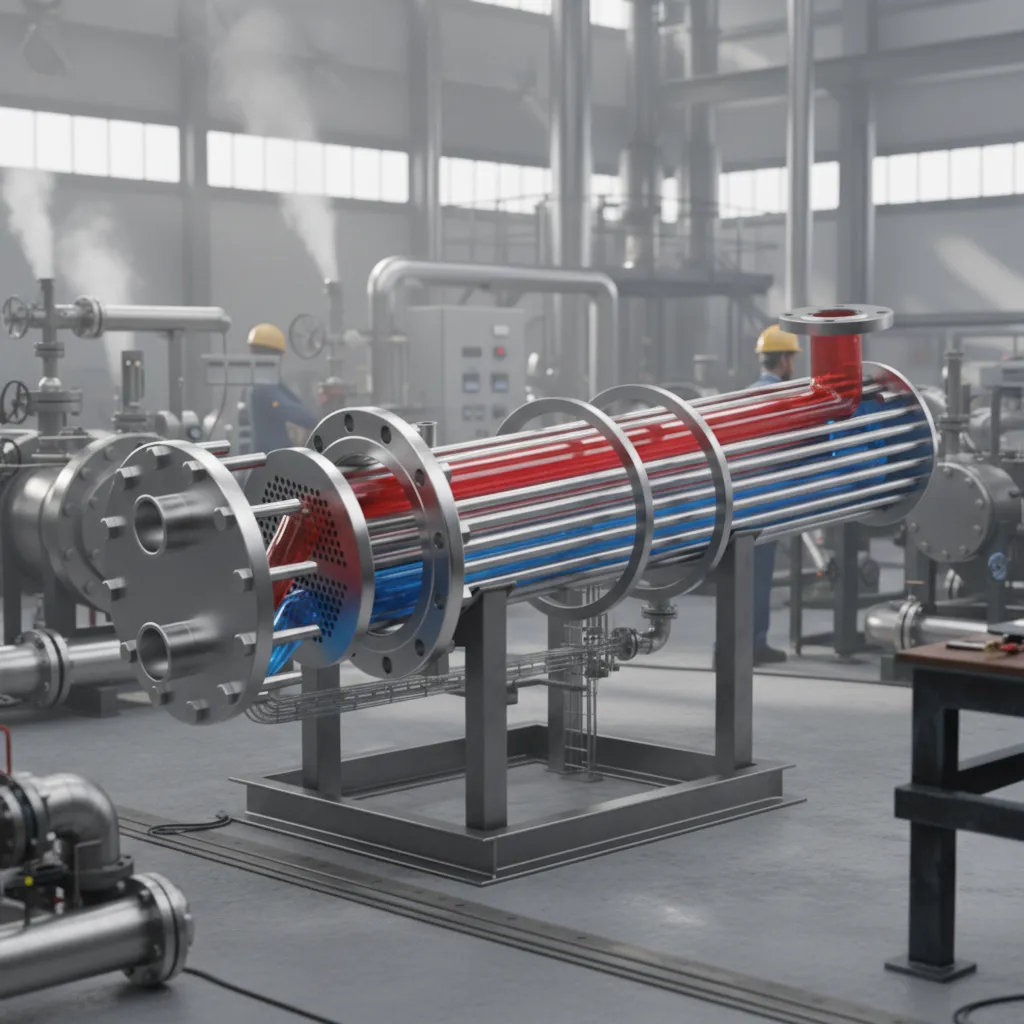
Resin production involves controlled heating during mixing and reaction, followed by cooling to stabilize the product.
A plant may have a correctly sized reactor but still create operating problems if heat transfer is not suited to the process.
Before finalizing the setup, ask:
- How quickly does the batch need to heat?
- What reaction temperature needs to be maintained?
- How will the product be cooled after reaction?
- Does the formulation change between batches?
These answers influence the jacket, utilities and overall process arrangement.
Batch or Continuous Production?
Narayan Engineering resin systems can be configured for both batch and continuous operation.
Batch processing can suit manufacturers producing multiple formulations or working with defined production lots. Continuous operation is more relevant when the process and production requirement call for sustained output.
There is no useful “best option” without understanding how the factory plans to manufacture resin.
As a Resin Plant Manufacturer in India, we treat operating mode as a production decision rather than simply an equipment feature.
SS304, SS316 or Mild Steel?
Our resin plant equipment can be manufactured in SS304, SS316 or mild steel, depending on the application.
Material selection should consider the chemicals, solvents, operating conditions and parts of the plant that come into contact with the process.
Choosing SS316 everywhere without evaluating the process may add unnecessary scope. Using an unsuitable material can create a different problem altogether.
Material compatibility should be checked against the actual formulation.
How Much Automation Does the Plant Need?
Semi-automatic and fully automatic configurations are available, with PLC/SCADA-based control for monitoring and operation.
Automation becomes useful where operators need better control over stages such as raw-material feeding, mixing, heating, reaction and cooling.
The required level should be based on:
- Number of batches or production hours
- Process variables that need monitoring
- Operator involvement
- Repeatability required between batches
- Future production expansion
A Resin Plant Manufacturer in India should understand how the production team plans to operate the plant before recommending an automation level.
Why Choose Us
At Shree Narayan Engineering Pvt. Ltd., we manufacture customizable 5–30 TPD resin plants for epoxy, polyester and alkyd resin production. Our systems can include jacketed or stirred reactors, batch or continuous operation, PLC/SCADA controls and SS304, SS316 or mild-steel construction. As a Resin Plant Manufacturer in India, our team can support engineering, manufacturing, installation and commissioning while developing the plant around the buyer’s actual formulation and production requirement.
Conclusion
A resin plant should not be ordered from a standard machinery list. Start with the resin formulation, then work through capacity, reactor requirement, heating and cooling, material compatibility and automation. Those decisions determine whether the plant matches the production process once manufacturing begins. At Shree Narayan Engineering Pvt. Ltd., we recommend giving the engineering team accurate information about the chemicals, desired output and operating method before freezing the equipment specification. That creates a much better basis for designing a practical resin production setup.
Planning an epoxy, polyester or alkyd resin manufacturing project? Contact Shree Narayan Engineering Pvt. Ltd. at +91 81560 60100 or email Info@narayanengineering.in today. Share your required resin type, production capacity and process requirement with our team to discuss a customized resin plant proposal.