





Key Takeaways
- Routine inspections of diesel storage tanks are crucial for identifying corrosion, leaks, and other issues before winter.
- Checking vents and breathing arrangements prevents pressure-related problems during winter operations.
- Water and sediment accumulation in diesel storage tanks can affect fuel quality, making regular checks essential.
- Inspecting valves, pipes, and connections ensures a safe and efficient fuel handling system for your plant.
- Choosing a reliable diesel storage tank manufacturer in India guarantees quality construction and long-term functionality.
Shree Narayan Engineering Pvt. Ltd. is a leading manufacturer of industrial storage and process equipment.
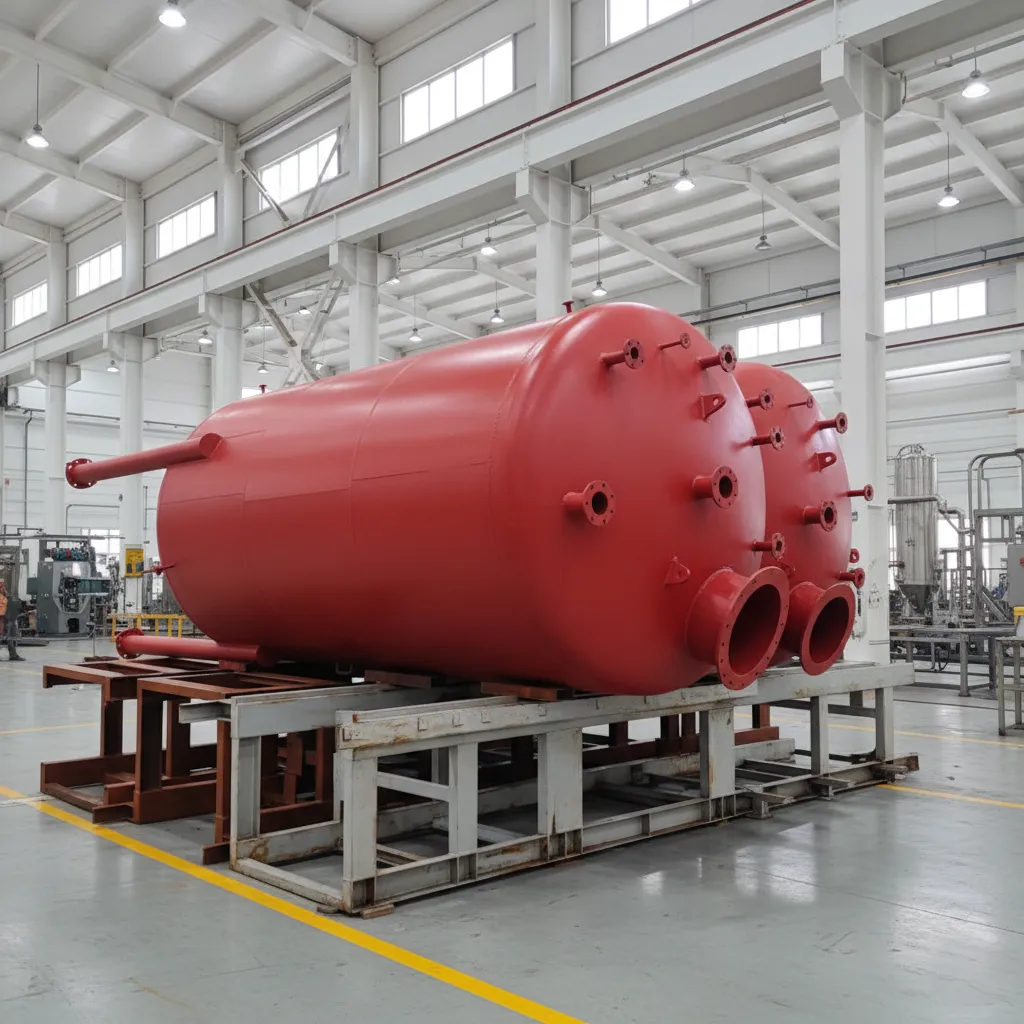
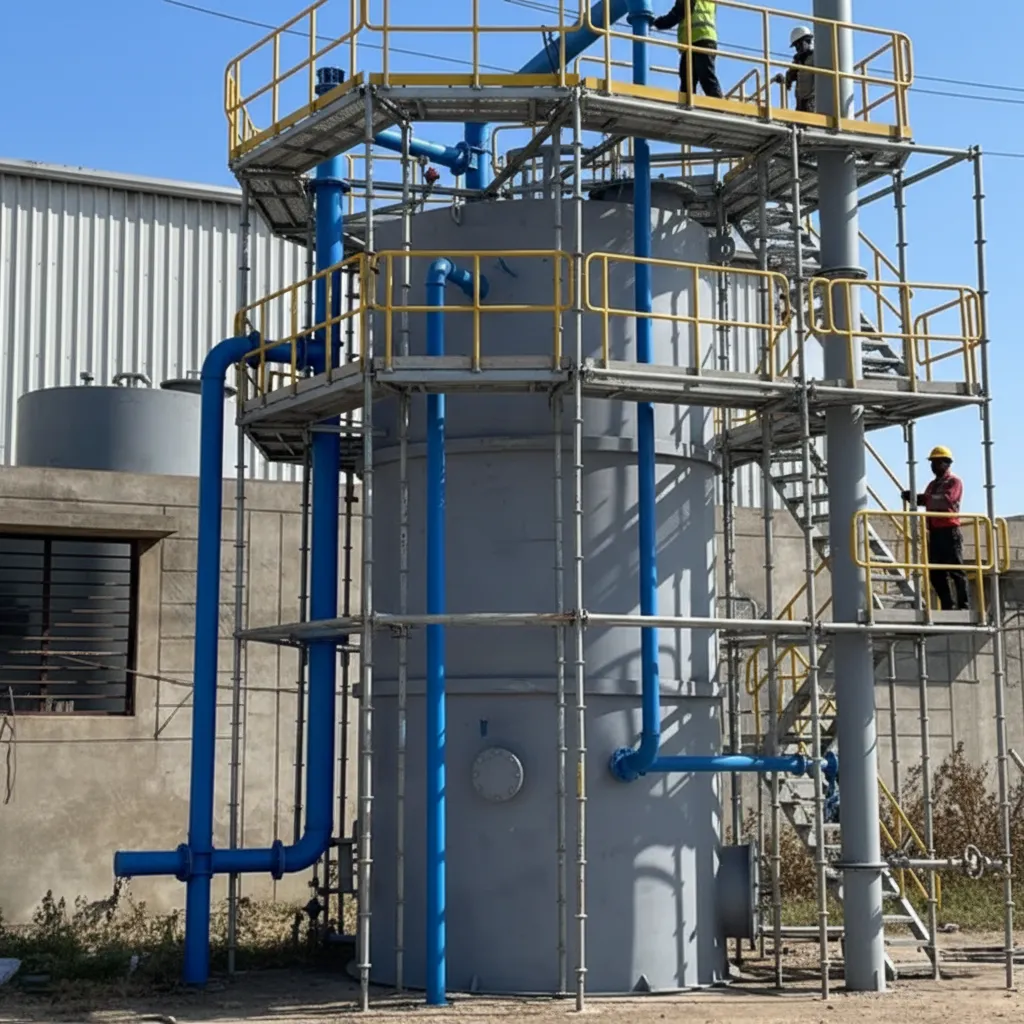
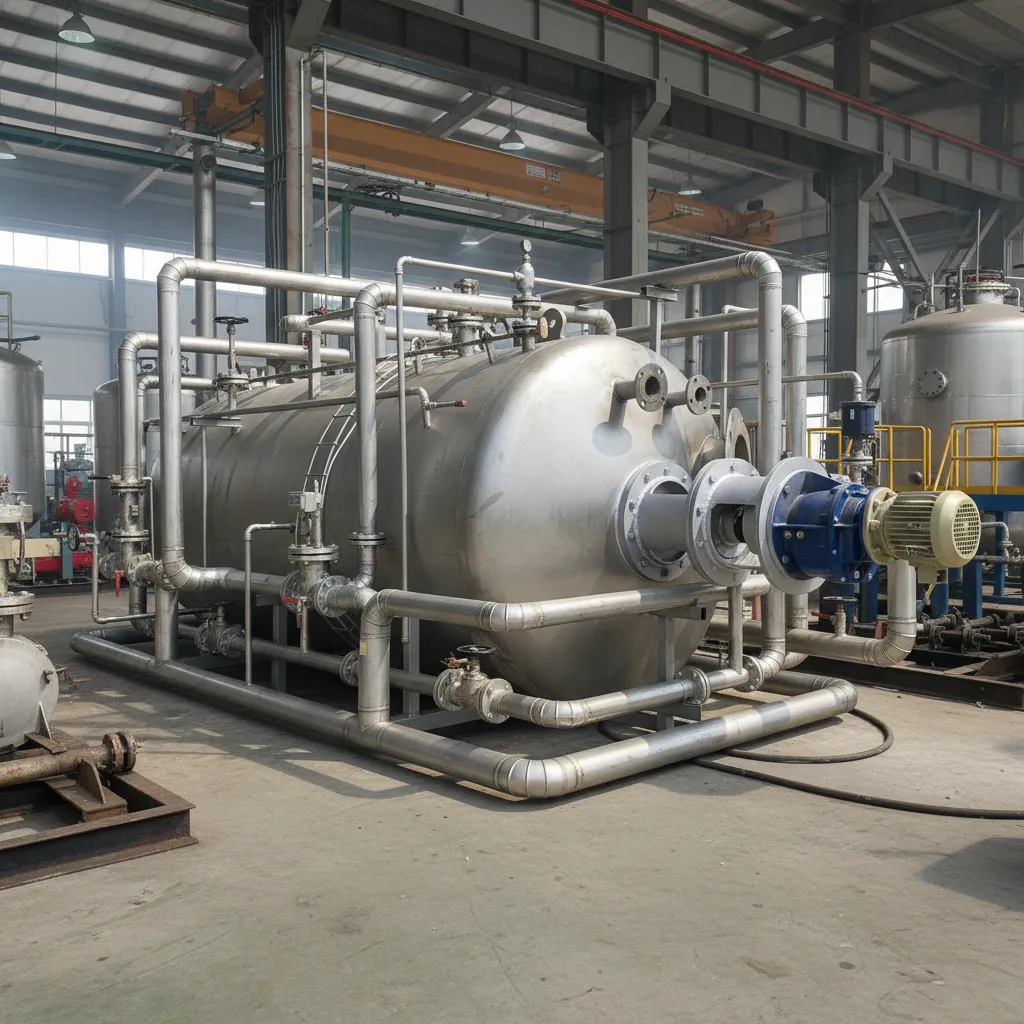
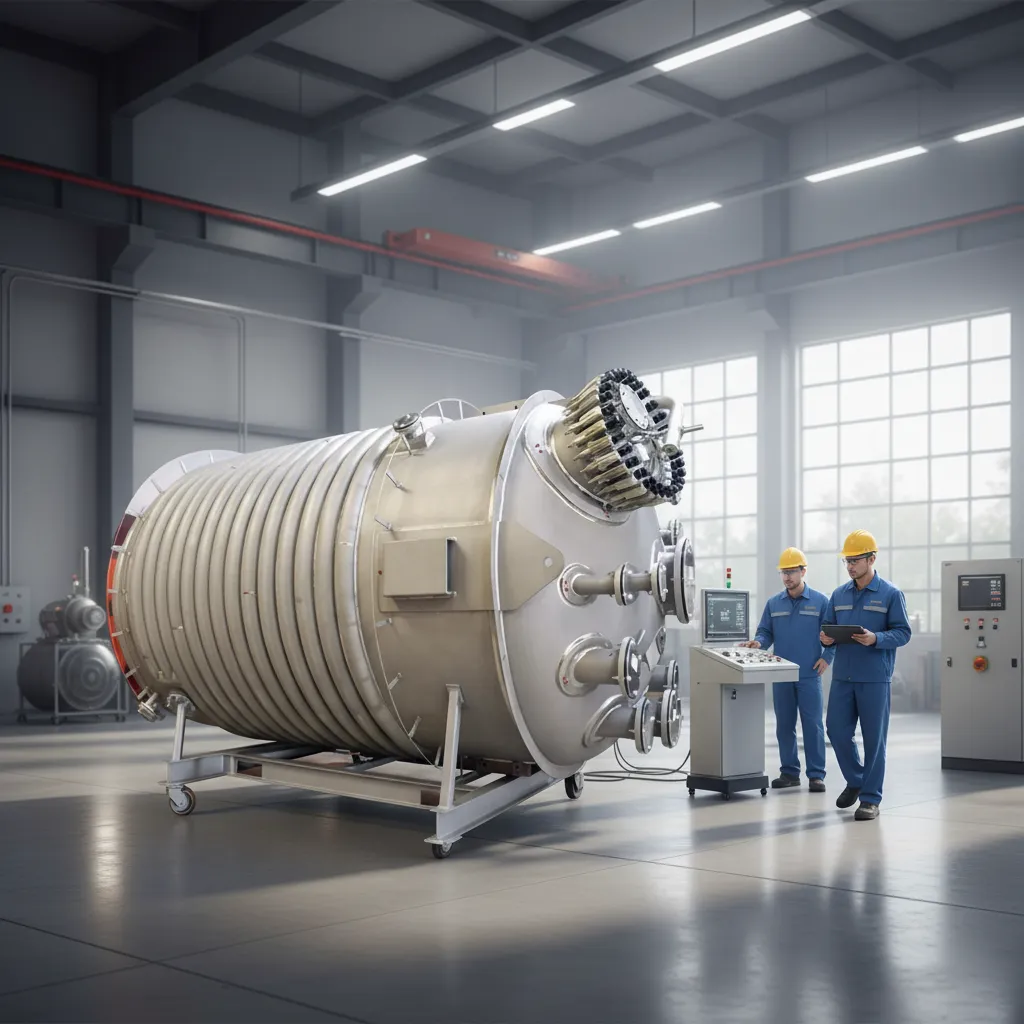
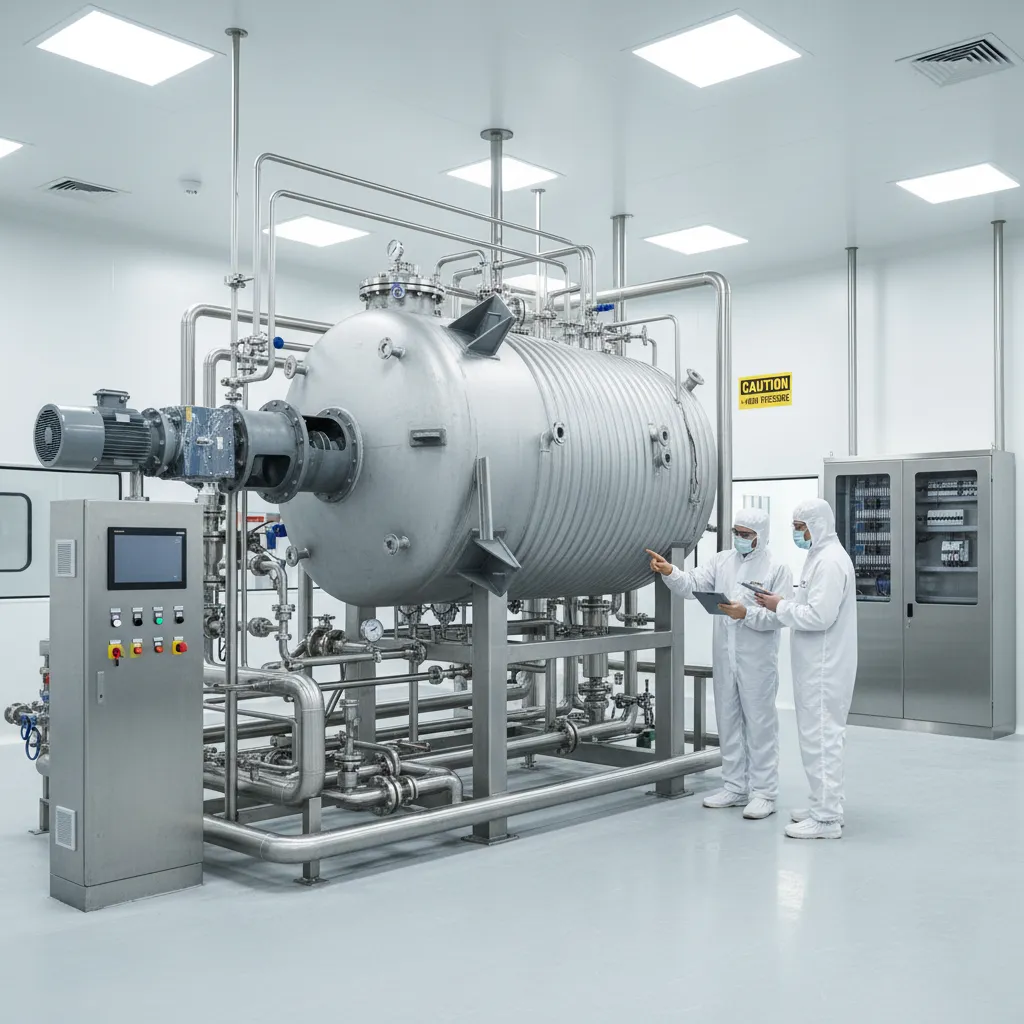
As temperatures change before winter, routine fuel storage checks become more important for industrial plants. A properly maintained Diesel Storage Tank helps operators identify leaks, corrosion, blocked vents, water accumulation and other issues before they affect fuel handling. Choosing a dependable Diesel Storage Tank Manufacturer in india is also important when tank condition, construction and long-term plant use are major priorities.
Why Winter Inspection Matters for Diesel Storage
Seasonal temperature changes can affect storage conditions, tank fittings and fuel handling practices. Before winter operations become more demanding, plant teams should inspect the tank, connected lines and surrounding area rather than waiting for a visible problem.
A pre-winter inspection is mainly about finding small issues before they become operational or safety concerns.
The following seven checks can be added to the plant’s regular inspection routine.
1. Inspect the Tank Body for Corrosion and Damage
Start with a detailed visual inspection of the tank shell, top surface, bottom area where accessible, supports and connected sections. Look for rust, coating damage, dents, cracks, unusual surface marks or signs of leakage.
Corrosion can become more concerning when moisture remains around damaged surfaces for long periods. For any Diesel Storage Tank, inspection should cover both the main tank and exposed external components rather than focusing only on the fuel level.
- Check the outer shell for corrosion
- Look for damaged coatings or exposed metal
- Inspect supports, connections and accessible weld areas
- Check for visible signs of seepage or leakage
A professional Diesel Storage Tank Manufacturer can also help buyers evaluate suitable construction and inspection considerations when replacing or upgrading an existing tank.
2. Check Vents and Breathing Arrangements
Tank venting should receive special attention before winter. Temperature changes can affect pressure conditions inside storage tanks, which is why venting arrangements need to remain suitable for the tank design and service.
OSHA guidance for covered flammable-liquid storage tanks addresses adequate venting for pressure or vacuum conditions caused by filling, withdrawal and atmospheric temperature changes.
- Inspect vent openings for obstruction
- Check vent piping for physical damage
- Look for dirt, debris or other blockage
- Confirm that fittings are in their intended operating condition
For plant operators working with an Diesel Storage Tank, a blocked or damaged vent should not be treated as a minor maintenance issue.
3. Check for Water and Sediment
Water and sediment can collect in storage tanks and may affect downstream fuel systems. Before winter, inspect the tank condition for signs of water accumulation, settled contaminants or abnormal fuel quality.
The inspection should follow the plant’s established procedures and should be carried out using appropriate equipment and precautions. Water management is a basic part of good diesel storage practice.
- Check for water at the tank bottom where procedures allow
- Look for sediment or sludge accumulation
- Review previous inspection or maintenance observations
- Remove contamination according to the plant’s approved maintenance process
For facilities sourcing new equipment, a Diesel Storage Tank Manufacturer in india should be evaluated on construction quality, practical design and suitability for the intended industrial application.
4. Examine Valves, Pipes and Connections
A tank inspection is incomplete without checking the connected piping system. Examine valves, fittings, flanges, hoses and pipe joints for visible damage, looseness, corrosion or leakage.
Pay particular attention to areas that are exposed to weather or frequent operator activity. Connections should remain accessible for routine inspection and maintenance.
- Inspect inlet and outlet connections
- Check valves for visible damage or leakage
- Examine pipe joints and fittings
- Review flexible connections for wear where applicable
A well-designed Diesel Storage Tank should work as part of a properly maintained storage system, so connected components deserve the same attention as the tank shell.
5. Inspect the Foundation and Tank Supports
Tank stability should also be checked before winter. Examine the foundation, supports, anchor arrangements where applicable and the area immediately surrounding the tank.
Uneven surfaces, damaged supports, standing water or visible movement can indicate a condition that needs technical assessment. Do not overlook these areas simply because there is no apparent fuel leakage.
- Check for cracks or visible deterioration in the foundation
- Inspect supports for corrosion or damage
- Look for unusual settlement or shifting
- Keep the surrounding area clean and accessible
When selecting a Diesel Storage Tank Manufacturer, plant buyers should also consider how the tank integrates with the site, supports and installation requirements.
6. Review Safety Around the Storage Area
The area around the tank should remain orderly before winter operations begin. Remove unnecessary materials, maintain clear access to operating points and check that the surrounding area does not create avoidable hazards for plant personnel.
Where the installation is subject to specific fire, environmental or workplace requirements, the plant team should follow the standards and procedures applicable to its site.
Good tank safety includes the space around the equipment, not only the tank itself.
Before winter, review:
- Access around the tank
- Condition of nearby work surfaces
- Visible signs of spills or contamination
- Condition and accessibility of relevant safety equipment
OSHA requirements for tank and piping arrangements also address issues such as emergency venting, piping and measures intended to control accidental releases for covered installations.
7. Document Findings Before Winter Operations
The final step is to record what the inspection found and what action is required. A written inspection record makes it easier for maintenance teams to track leaks, corrosion, damaged fittings, cleaning requirements and unresolved concerns.
Do not rely only on verbal reporting. The inspection should create a clear reference for future maintenance.
- Record visible defects
- Note cleaning or repair requirements
- Identify components needing closer technical inspection
- Record completed corrective actions
- Keep inspection records according to the plant’s internal procedures
For companies planning a new installation, working with an experienced Diesel Storage Tank Manufacturer in india can also help bring equipment selection, application needs and maintenance considerations together.
Why Choose Us
At Shree Narayan Engineering Pvt. Ltd., we focus on industrial equipment designed around practical plant requirements and application needs. Our approach is centred on suitable construction, functional design and reliable fabrication for industrial users. We understand that a storage tank must fit into the wider operating system, including piping, access, maintenance and site conditions. For businesses evaluating a Diesel Storage Tank Manufacturer, our team can discuss the application and tank requirements before moving ahead with a project.
Conclusion
Winter preparation should not stop at checking the diesel level. A complete inspection should cover the tank body, vents, water and sediment, valves, piping, supports, surrounding area and maintenance records. These checks give plant teams a practical way to identify conditions that may require attention before regular winter operations. Selecting the right Diesel Storage Tank Manufacturer also matters when tank design, fabrication and application suitability are being considered. A planned inspection routine can help plants maintain safer storage practices and reduce avoidable operating issues.
Frequently Asked Questions
Common questions about diesel storage tank safety checks before winter.
Planning to install or upgrade a diesel storage system? Contact Shree Narayan Engineering Pvt. Ltd. to discuss your Diesel Storage Tank requirements.